Beyond Potholes: A Proactive Approach to Roadway Asset Management
Looking Past the Surface…
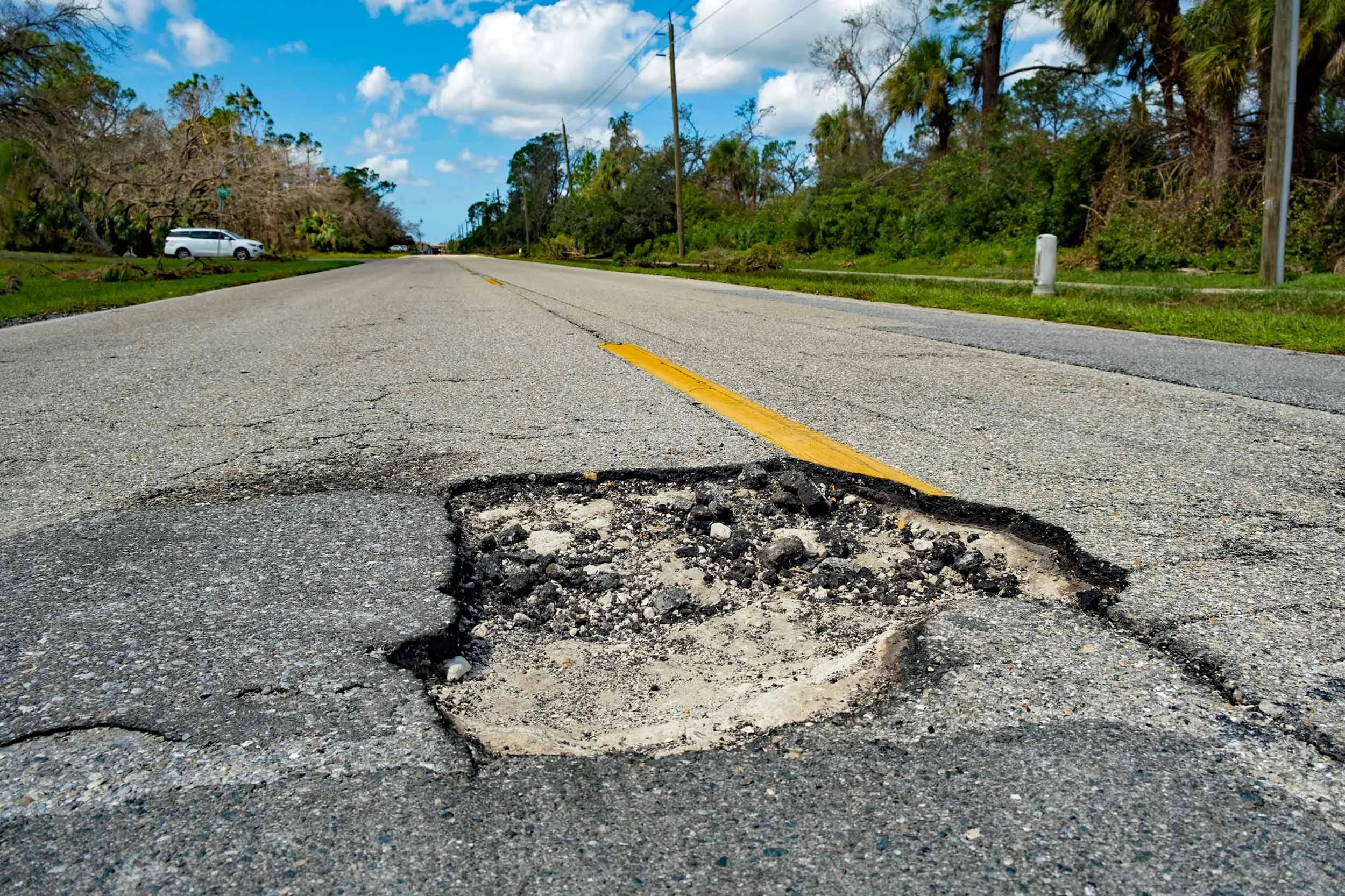
When most people think about roadway maintenance, they picture crews filling potholes and patching cracks.
While those fixes are important, they’re only a small piece of a much larger story. Today, communities are shifting away from reactive, quick-fix solutions and embracing strategic, long-term roadway asset management.
Roadway asset management is more than simply repairs. It is a data-driven system for understanding pavement condition, planning the right treatments at the right time, and maximizing every dollar invested. By looking past the surface and taking a proactive approach, cities and agencies can save money, improve safety, and extend the life of their infrastructure.
This blog explores how moving beyond potholes leads to smarter, more resilient roadways built for the future.
What is Roadway Asset Management
Roadway asset management is a structured way for cities to understand what they own, its condition, and how to maintain it over time. Rather than reacting to problems as they appear, asset management helps communities plan, so budgets go further, and roadways stay safer.
A city’s roadway network includes much more than just pavement. Signage, drainage systems, intersections, bridges, curbs, and sidewalks all play a role in keeping residents and businesses moving. Each of these assets has its own lifespan, maintenance needs, and costs. Asset management brings all this information into one clear picture, helping decision-makers choose the right treatments at the right time.
The goal is straightforward: use limited resources as wisely and efficiently as possible. By prioritizing needs based on condition, risk, use, and long-term value, agencies can stretch budgets, prevent costly failures, and deliver better outcomes for the public.
Beyond efficiency, roadway asset management is deeply connected to community needs and sustainability. It supports safer travel, more reliable infrastructure, and long-term planning that aligns with environmental goals. When done well, a roadway asset management strategy creates a roadmap that guides smart investments today to strengthen a city’s transportation network into the future.
The Cost of Reactive Maintenance
A “fix it when it breaks” strategy might seem practical in the moment, but in fact, it is the most expensive way to manage a roadway network. Reactive maintenance forces agencies into constant emergency mode, where repairs are rushed, options are limited, and costs can climb quickly. Instead of investing in long-term solutions, budgets get drained by short-term fixes that never address the root of the problem.
Emergency repairs almost always cost more than planned preservation. Crews must respond immediately, equipment gets pulled from scheduled work, and materials are often purchased at a premium. Over time, these unplanned fixes strain budgets and leave little room for strategic improvements that could extend pavement life and reduce future costs.
Safety and mobility also suffer under reactive maintenance. Sudden failures, like sinkholes, failing culverts, or pavement blowouts, can disrupt traffic and create hazards for drivers, eroding public trust. Frequent potholes or recurring patches send a message that the system is barely holding together, even when agencies are working hard behind the scenes.
Reactive pitfalls are common. The same stretch of road patched year after year, unexpected drainage failures after a heavy rain, or bridges requiring urgent attention because small issues went unnoticed. These situations highlight the real cost of waiting too long.
By understanding the true costs and burdens of reactive maintenance, agencies can begin to shift their focus toward proactive planning. By taking a proactive approach, dollars stretch further, roads last longer, and communities benefit from safer roads and more reliable transportation networks.
The Benefits of a Proactive Strategy
Moving from reactive repairs to a proactive asset management strategy transforms how communities care for their roads. Instead of constantly “putting out fires,” agencies gain the ability to plan, stretch limited budgets, and deliver better results for the public.
A proactive approach isn’t just about fixing problems earlier – it’s about understanding the entire network, anticipating needs, and investing in treatments that prevent costly failures down the line.
The benefits are wide-ranging:
Cost Savings and Predictability
One of the biggest benefits a proactive management strategy delivers is lower costs. Preservation treatments like crack sealing, sealcoats, or thin overlays are far cheaper than full reconstruction or major rehabilitation. By investing in the right treatment at the right time, agencies can slow deterioration and avoid the high cost of rebuilding a failed road.
A proactive approach also brings predictability to budgeting. Instead of scrambling to fund emergency repairs, agencies can plan maintenance cycles years in advance, creating more stable, manageable, long-term financial forecasts.
Longer Pavement Lifespans
Roads last significantly longer when they receive the right treatments early. Pavement deterioration accelerates quickly once cracking, moisture intrusion, or structural issues set in. Timely preservation slows this process dramatically.
Proactive strategies use data, including condition scores, traffic levels, and treatment history, to determine when and where work should happen. This ensures that treatment occurs before the damage becomes more severe, extending pavement life and reducing overall lifecycle costs.
Improved Safety and Mobility
When roads are proactively maintained, they stay smoother, safer, and more reliable. Fewer potholes and unexpected failures mean fewer hazards for drivers, cyclists, and pedestrians.
By scheduling maintenance instead of reacting to emergencies, agencies can minimize unplanned road closures and traffic disruptions. This keeps communities moving efficiently and helps reduce frustration caused by surprise construction zones or detours.
Stronger Community Trust
A proactive strategy strengthens the relationship between agencies and the public. Residents notice when roads are consistently well-maintained, and they appreciate seeing real, lasting improvements instead of repetitive temporary fixes.
Transparency plays a key role, too. When agencies use data to explain their decisions and involve the public, the community gains confidence that resources are being used wisely and fairly. Over time, this trust supports smoother project planning, better communication, and greater public engagement.
Tools and Technologies
Modern roadway asset management relies on accurate data and smart technology to stay ahead of problems. The tools below help agencies understand the true condition of their networks, prioritize needs, and make informed decisions that stretch budgets and improve outcomes/ By combining clear metrics, digital mapping, automated condition surveys, and powerful software, agencies can shift confidently from reactive repairs to proactive, long-term, strategic planning.
Pavement Condition Index (PCI) and Other Metrics
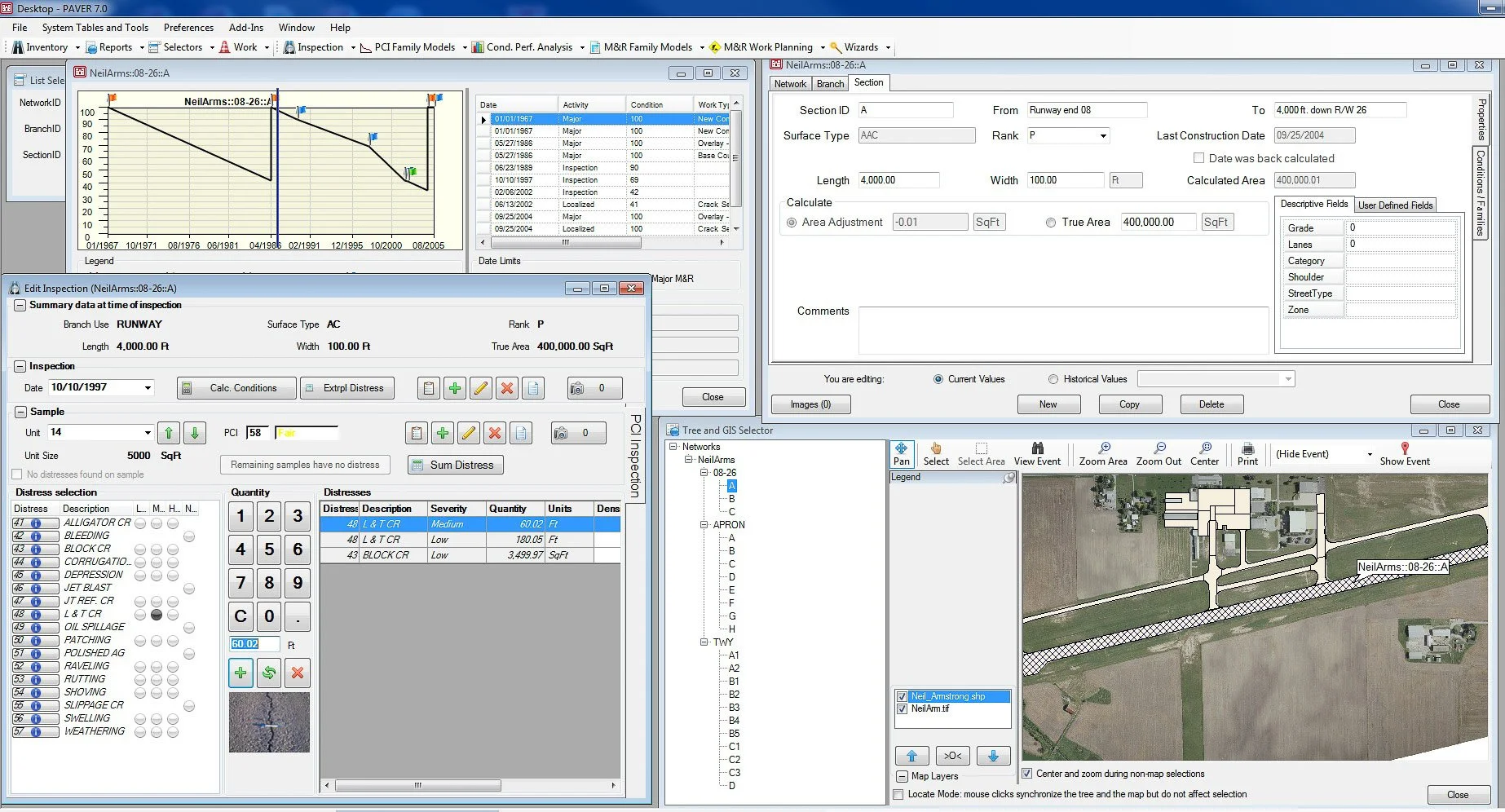
PCI is the foundation of proactive management. Metrics like the pavement condition index (PCI) translate field observations into a simple-to-understand, standardized number that reflects pavement condition. Before this technology became available, guys with clipboards would walk the streets of a city and create a detailed map of pavement issues.
Unfortunately, this was a subjective practice that made pavement management difficult. Today, instead of guessing or relying on complaints, agencies can use actual data to understand trends, compare roads across an entire network, and choose treatments based on objective needs.
Turning raw data into clear actionable insights ensures that maintenance decisions are consistent, transparent, and aligned with long-term goals.
Digital Mapping and GIS
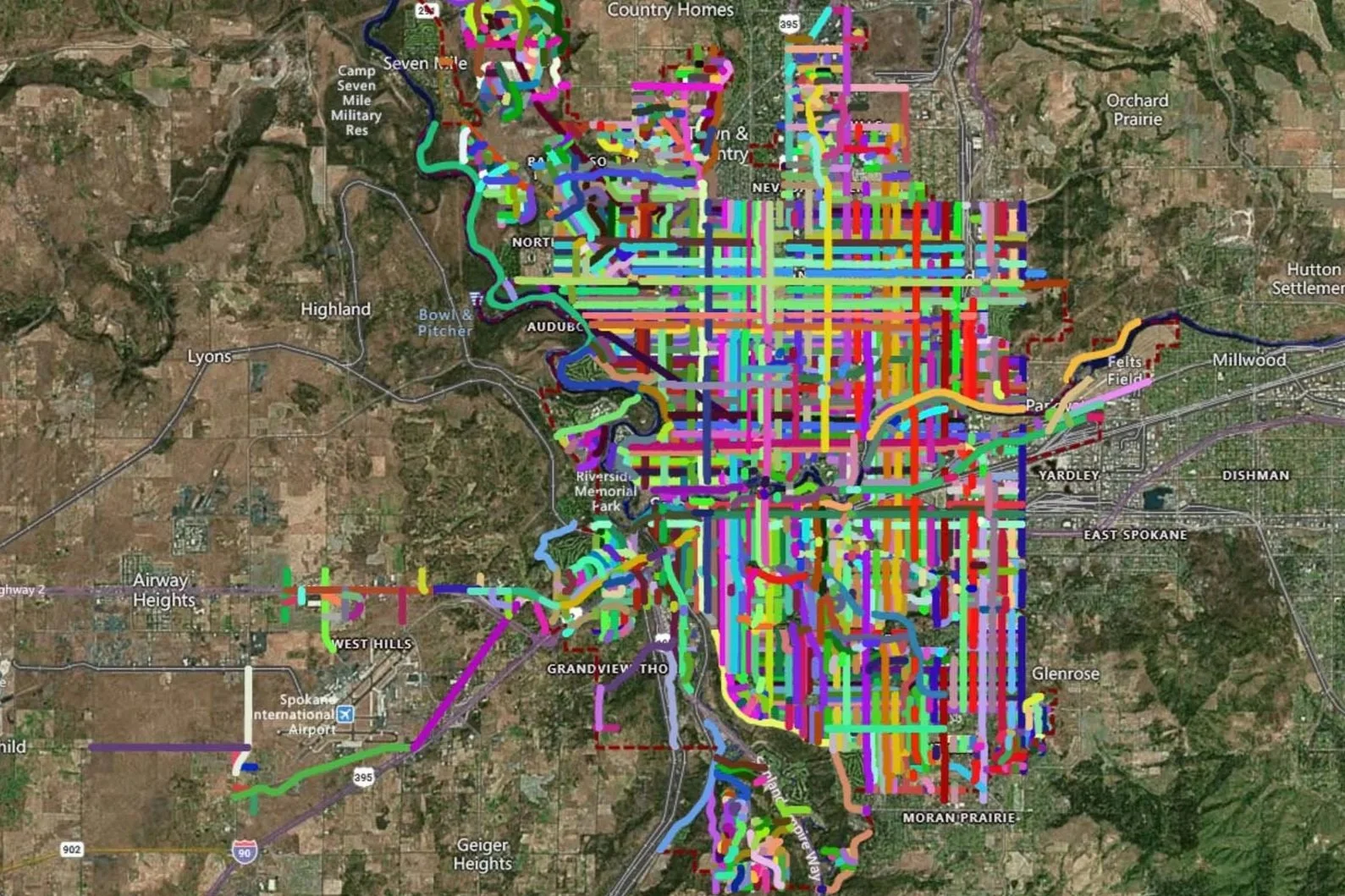
Digital mapping and GIS technology give agencies a visual way to understand their entire pavement network. By layering condition data, planned projects, and key features like traffic volumes or drainage areas, GIS helps decision-makers see the big picture. This geographic context makes it easier to identify patterns, prioritize projects, and coordinate work across departments.
The result is a more organized, efficient approach to maintaining the network.
Automated Data Collection
Automated collection has transformed how agencies collect pavement data. Using panoramic cameras, laser sensors, and artificial intelligence to analyze collected data, these systems capture detailed pavement conditions quickly and safely at normal driving speeds. Automated methods are objective, reducing the risks of subjective manual inspections. This improves consistency and provides a more complete and accurate view of the roadway network.
With faster and more accurate data, agencies can stay on top of deterioration and plan treatments before issues become critical.
Asset Management Software
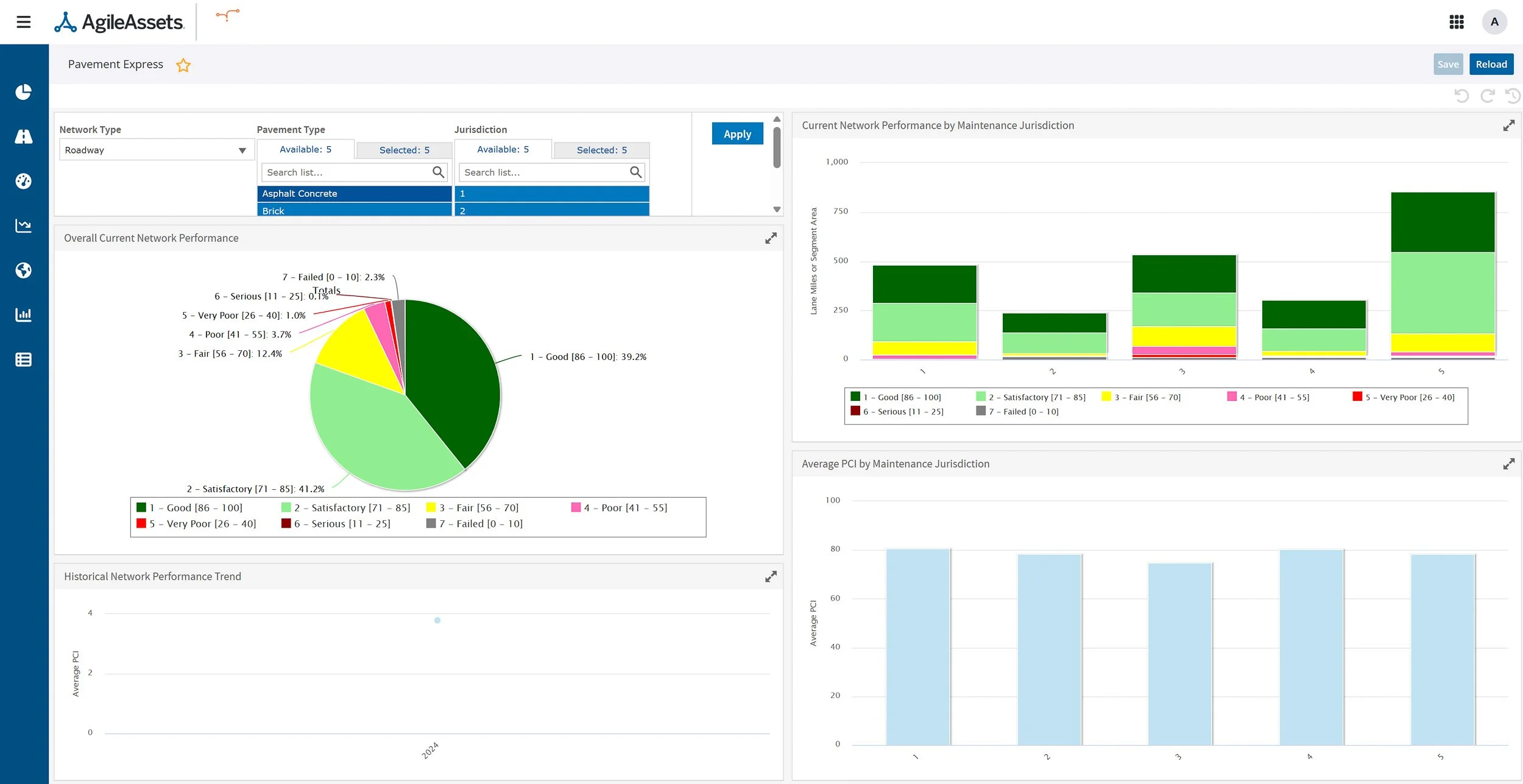
Asset management software brings everything together in a single centralized platform. It stores condition data, tracks maintenance histories, models future needs, and supports data-driven lifecycle-based decision-making. With this software, agencies can forecast budgets, evaluate treatment strategies, and generate clear reports for stakeholders and the public.
By organizing information and simplifying complex planning, these tools make proactive asset management not only possible but practical for agencies of all sizes.
Building a Proactive Asset Management Plan
Creating a proactive roadway asset management plan starts with a clear understanding of where things stand today. Agencies must first assess current conditions and evaluate the quality of their data. This ensures that future decisions are built on accurate, reliable information rather than assumptions or outdated data.
With a solid foundation based on accurate data, the next step is to define performance goals and desired service levels. This helps to guide decision-making by establishing what “good” looks like for the community. Whether the priority is smoother pavements, fewer disruptions, or improved safety. Defining goals and setting clear targets keeps plans focused and measurable.
From here, agencies must identify priorities based on need, equity, and risk. This means looking beyond just pavement condition and considering who uses the road, how critical the route is, and what might happen if the asset fails. Prioritizing using these criteria ensures that investments support fairness, mobility, and long-term resilience.
A strong plan should include multi-year capital programs and maintenance cycles. By mapping work several years in advance, agencies can better balance budgets, coordinate projects, and schedule preservation treatments before deterioration accelerates. Taking a long-term view is key to maximizing the ROI of every dollar spent.
Finally, communication is essential. Sharing plans openly with residents, elected officials, and other stakeholders builds trust and understanding. When the community knows why certain roads are addressed first, and how decisions support long-term benefits, it strengthens support for the proactive, data-driven approach that keeps the roadway network healthy.
Moving Beyond Potholes
Proactive roadway asset management offers communities a smarter, more sustainable path forward. By shifting focus from patching problems to preventing them, agencies can build roadway networks that are safer, longer-lasting, and far more cost-efficient. This approach doesn’t just improve pavement; it strengthens the entire transportation system.
Data-driven planning empowers cities and counties to stay ahead of deterioration, make informed decisions, and allocate resources where they’ll have the greatest impact. Instead of reacting to failures, agencies can anticipate needs, extend asset life, and create predictable, stable budgets that serve the community well into the future.
Now is the time for agencies and municipalities to move beyond short-term fixes and embrace long-term asset strategies. With the right tools, clear goals, and a commitment to proactive management, communities can enjoy better roads, improved mobility, and greater value for every dollar spent.
Transmap is a nationwide provider of professional pavement, roadway, and asset management support services to cities, counties, and municipalities. Using our advanced technologies, we provide excellent customer service and a robust full analysis. We are dedicated to maintaining this high standard of data quality while also reducing data collection costs for our clients. To learn more, contact our main office in Columbus, OH at (614) 810–1235.