Smarter Streets: How Pavement Management Saves Cities Millions

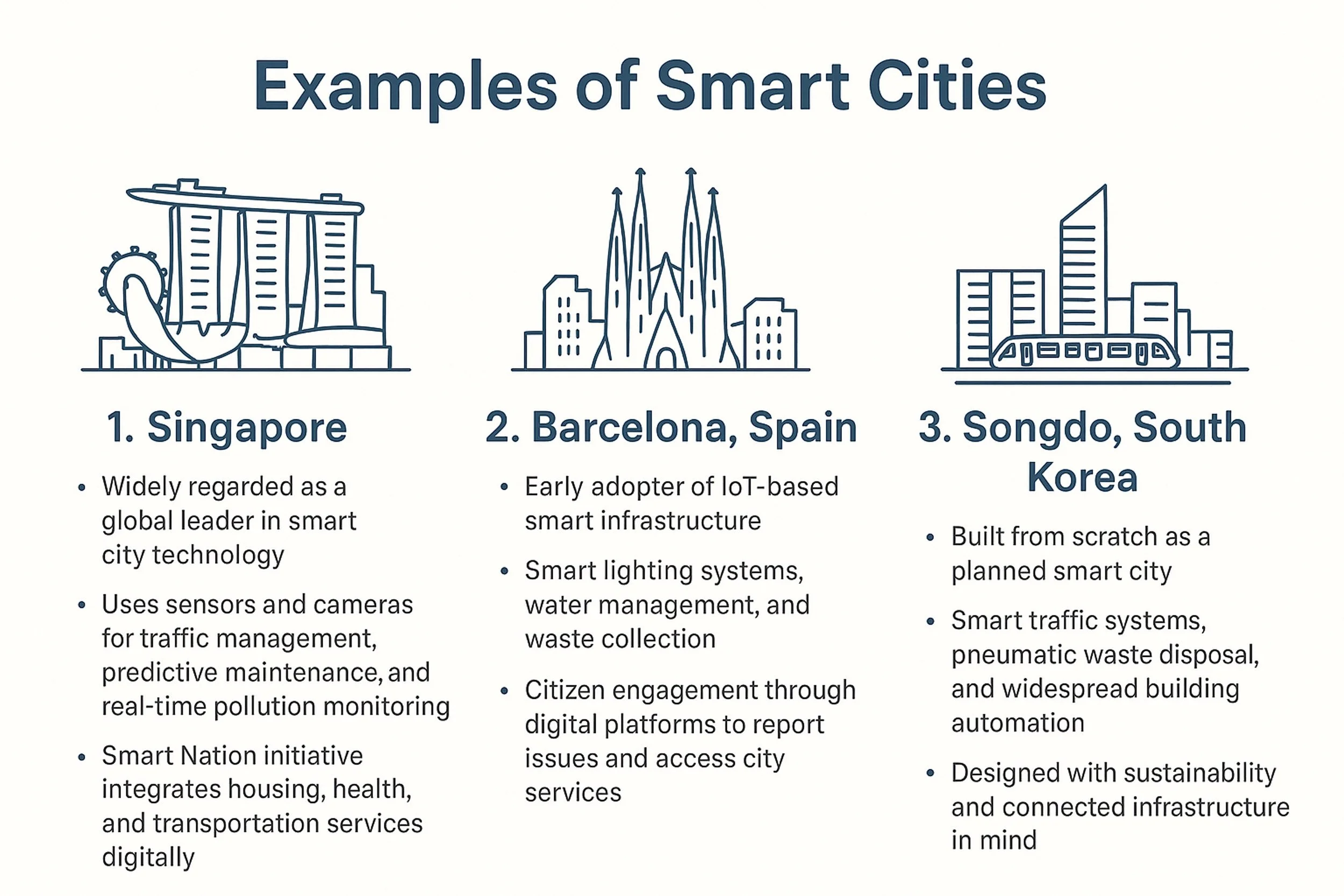
Singapore is one of the world’s Smart Cities.
Smart Cities Are the Future
A smart city uses information, data collection, and communications technology to improve city operations and enhance sustainability.
Smart cities utilize technology, such as real-time data analysis, to enhance and optimize services like traffic management, public transportation, and energy consumption. The goal is to create a more efficient, responsive, and ultimately citizen-friendly urban infrastructure and environment that drives growth while addressing common urban challenges.
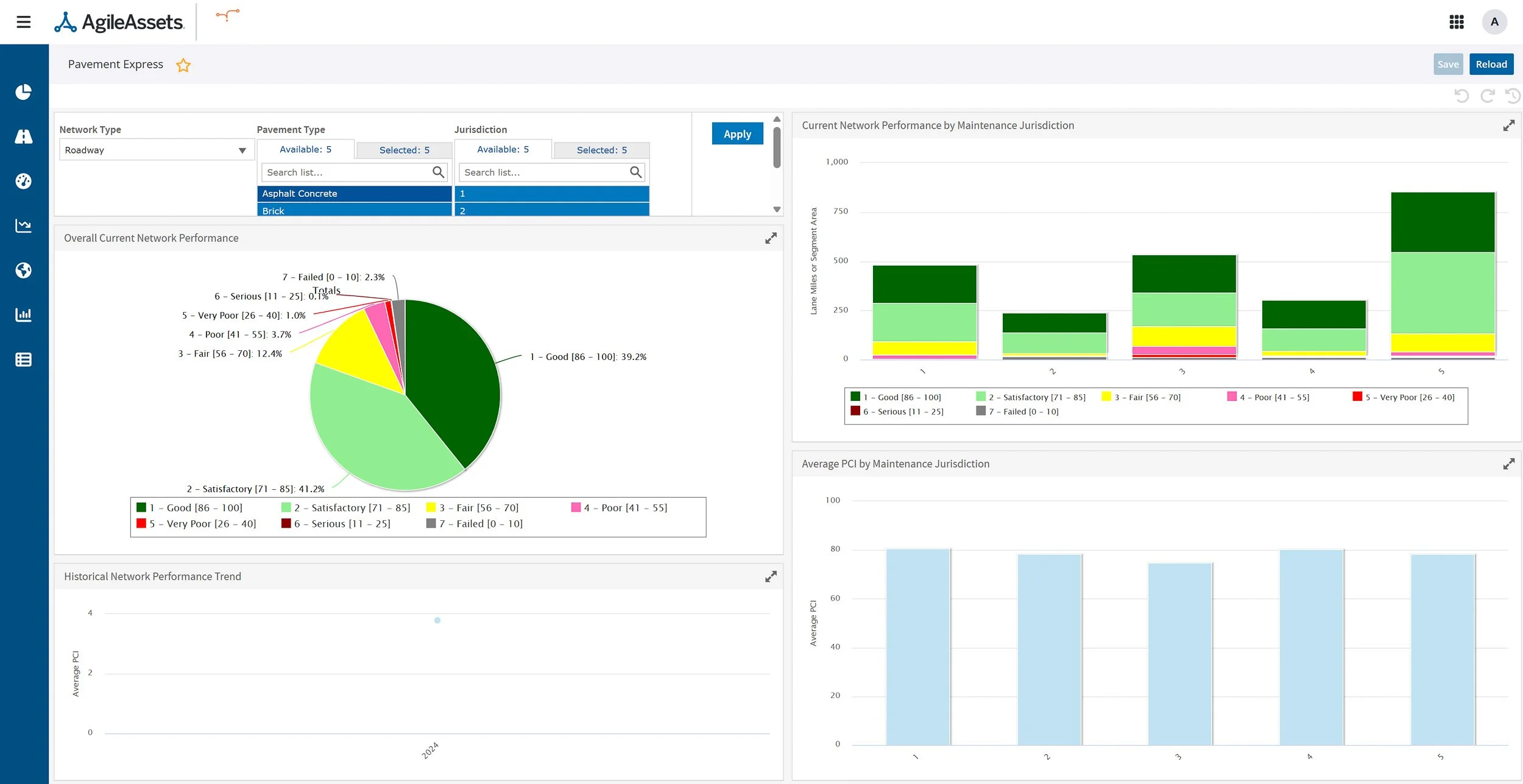
A major piece of the puzzle is the upkeep of physical infrastructure like roadways, bridges, traffic lights, signage, and more. Collection and accurate data analysis are crucial to creating a pavement management plan that can save cities millions of dollars over the long term.
Discover how effective pavement management today positions cities to transition smoothly into smart cities by leveraging data for informed decision-making.
What is a Smart City?
A smart city is an urban area that utilizes and leverages technology, data, and connected systems to enhance the quality of life for residents, promote sustainability, and improve the efficiency of city services. Smart cities collect vast amounts of urban data from technologies such as the Internet of Things (IoT), sensors, cloud-based platforms, and more.
The collected data is analyzed using artificial intelligence and then used to monitor everything from energy and water usage to waste management, mobility, and roadway conditions. This allows municipal agencies to use real-time insights to optimize urban operations.
Implementation: The Smart City Vision
Today, technology has advanced to the point where it is possible to gather, analyze, and monitor vast amounts of data in real or near-real time. Cities have developed digital infrastructures capable of handling the vast amounts of data we produce every day.
Technologies like high-speed internet, 5G networks, and sensors installed throughout the city gather and deliver data in real-time. IoT devices collect data for traffic, energy consumption, water use, air quality, and more.
Real-time data can be used to implement smart mobility systems. This data allows intelligent traffic management systems to reduce congestion. It can be delivered to autonomous vehicles, bike/scooter sharing systems, and used by residents via public transit apps.
This data also supports sustainable resource management. For example, smart grids boost energy efficiency and integrate renewables. Smart water systems detect leaks early and monitor consumption. Waste management with smart bins track fill levels.
A major factor smart cities offer is the level of community engagement and governance. Residents can access information via open data platforms. For example, smart electric meters that allow citizens and businesses to track, monitor, and adjust energy usage. Digital platforms for public services like permitting or online reporting of issues, conveniently allow residents to easily engage with governmental agencies.
Smart Cities Face Challenges
Smart cities face significant challenges. Collecting large amounts of personal and public data raises cybersecurity and surveillance concerns. Private data must stay secure. Building and maintaining infrastructure—including storage, analysis, and collection—requires major investment.
One characteristic of smart cities is that data is collected from a variety of sources and many different vendors. Unless the city is designed and built from scratch as a smart city (for example, Songdo, South Korea), integrating systems and ensuring they work together can be complex. There is also a real risk of excluding communities without equal access to digital tools or internet service.
As laws catch up to the technology, clear policies are needed to ensure accountability, data ownership and protection, and the ethical use of technology.
The Role of Pavement
Roads and pavement form the backbone of a city’s infrastructure, making them central to the smart city vision. They are not only essential for daily mobility, moving people, goods, and services, but they also serve as a critical foundation for future technologies such as connected vehicles, autonomous transportation, and advanced traffic management systems.
The condition of a city’s pavement has a direct impact on safety, efficiency, and sustainability, influencing everything from fuel consumption to emergency response times. By treating roads as more than just surfaces to drive on and instead viewing them as data-rich assets, cities can unlock smarter ways to manage transportation, reduce costs, and build the resilient, connected communities that define smart cities.
In smart cities, roads function much like the circulatory system in the human body, keeping people, goods, and services flowing smoothly. Pavement is more than just a surface to drive on. Pavement condition directly influences how efficiently a city moves. Cracked, deteriorating roads slow traffic, increase accident risks, and raise vehicle operating costs, while well-maintained pavement supports safe mobility, reliable public transit, and efficient emergency response.
The stakes are high. Neglecting pavement leads to costly repairs, increased fuel consumption, and higher emissions as vehicles struggle with poor surfaces. In contrast, proactive pavement management saves money over time while supporting sustainability goals. By investing in monitoring and maintaining roads before they fail, cities not only protect their infrastructure budgets but also create safer, greener, and more connected urban environments.
For smart cities, prioritizing pavement is not just about upkeep - it’s about building a foundation for long-term mobility and resilience.
Pavement Management Today for a Smart Future
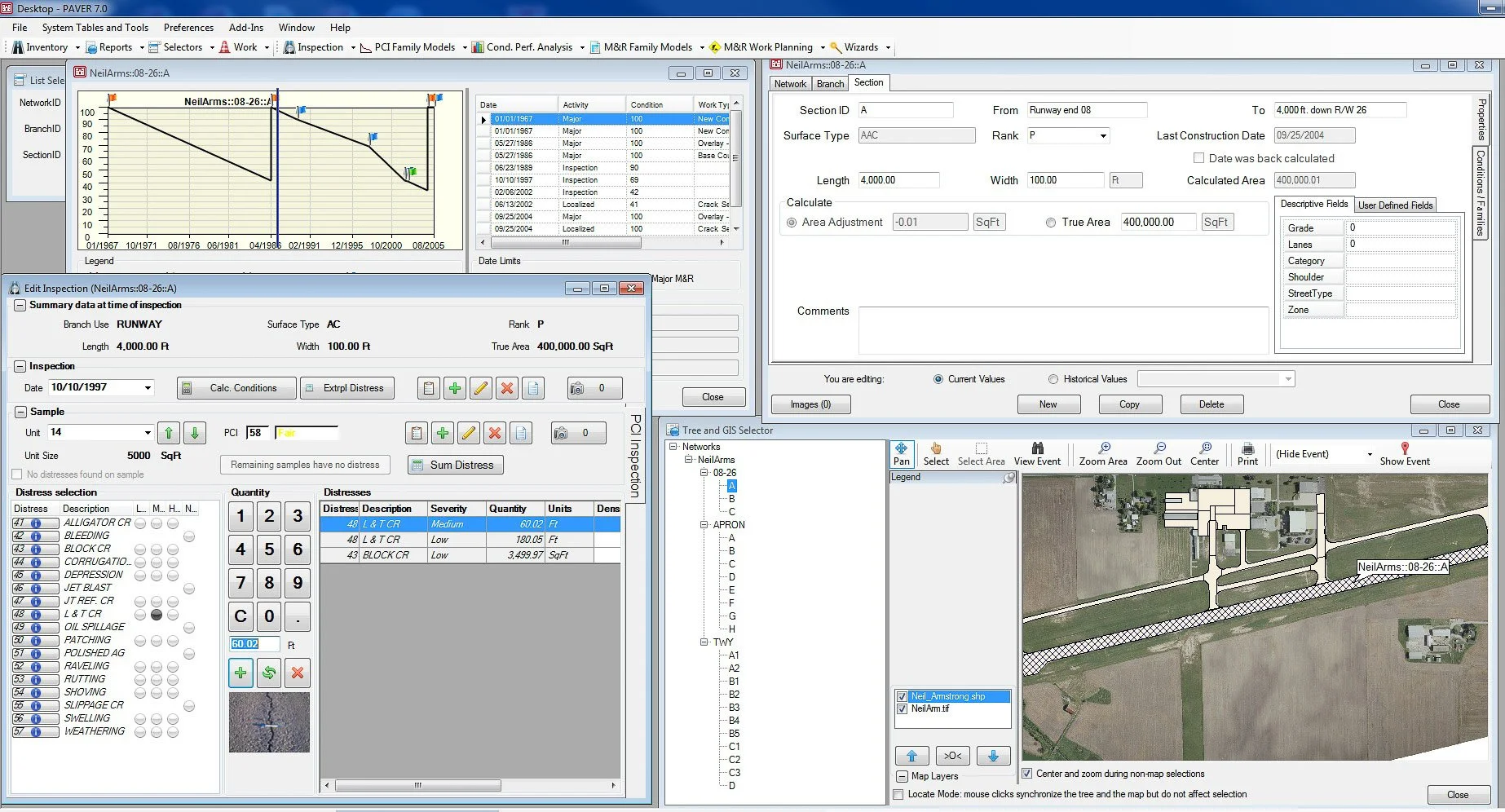
Pavement management systems (PMS) provide cities with the tools to make smarter decisions about their roads. Instead of relying on reactive repairs, PMS provides a structured way to monitor pavement condition, prioritize maintenance, and plan for long-term needs. This approach ensures limited budgets are used more effectively while extending the life of pavement networks.
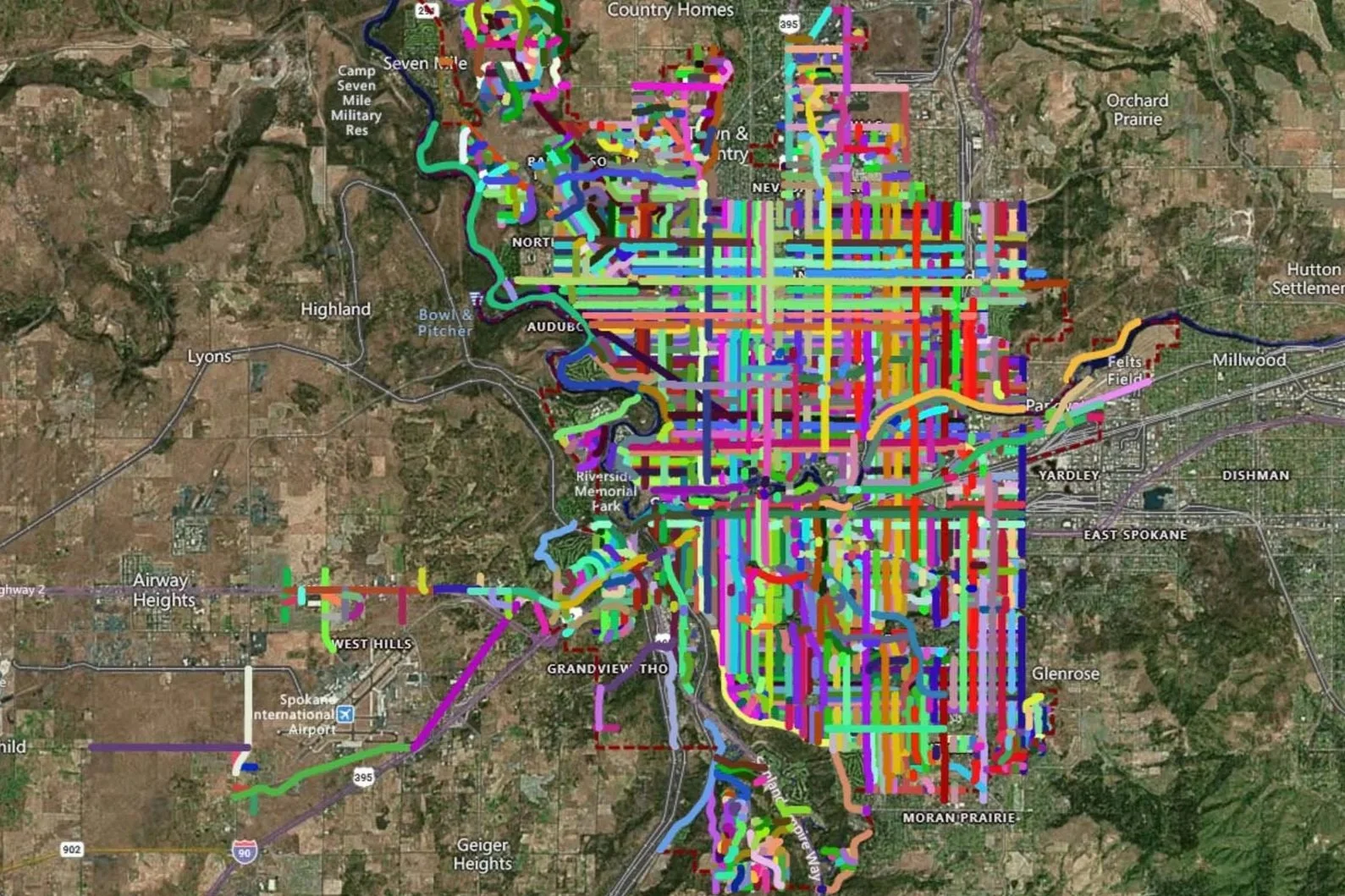
The foundation of PMS is data. Modern tools—such as sensors, LIDAR, high-resolution imaging, artificial intelligence, and traditional inspections, collect detailed information on cracks, surface wear, and structural performance. This raw data is analyzed and transformed into actionable insights, allowing agencies to forecast deterioration, compare treatment options, and schedule work at the right time.
By connecting technology with practical decision-making, pavement management empowers cities to improve mobility, safety, and sustainability with precision and confidence.
Leveraging Data to Make Smarter Decisions
With data-driven pavement management strategies, cities can shift from costly, reactive repairs to predictive maintenance, addressing issues before they become major problems. By anticipating needs, agencies can extend pavement life, reduce disruptions, and keep roads safer for everyone. This proactive approach not only improves mobility but also helps avoid the escalating costs that come with neglect.
Equally important is how data supports smarter budgeting and long-term planning. With clear insights, cities can stretch every dollar further, prioritizing the right projects at the right time. Many municipalities have already saved millions by using data to guide pavement strategies, optimizing repairs while advancing broader smart city goals such as sustainability, efficiency, and safety. By investing in analytics today, cities build a resilient foundation for the future where infrastructure keeps pace with growth and innovation.
A Bridge to the Future: Pavement as a Smart City Enabler
Pavement data is more than a tool for road maintenance. It is a vital piece of the larger smart city ecosystem. When integrated with traffic management, public transit, and utility systems, pavement insights help cities to coordinate infrastructure planning, reduce congestion, and improve overall efficiency. A well-managed road network becomes the foundation on which smarter, more connected services can thrive.
Looking ahead, pavement management also plays a key role in preparing for autonomous vehicles and connected infrastructure. Smooth, well-maintained roads equipped with embedded sensors can communicate real-time conditions, ensuring safety and reliability for next-generation mobility.
By investing in pavement as both a physical asset and a source of data, cities aren’t just fixing roads—they’re laying the groundwork for a future of seamless, intelligent transportation.
Challenges and Considerations
While pavement management offers clear benefits, it also comes with challenges that cities must address. Information collected from sensors, imaging, and inspections must be reliable and compatible across different platforms. Without clean, consistent data, the value of advanced analytics and decision-making tools is limited.
Another key consideration is the balancing of upfront investment with long-term savings. Building a modern pavement management program requires funding for technology, training, and process changes. However, when managed effectively, these investments quickly pay off through reduced repair costs and extended pavement life.
Success also depends on organizational readiness. Agencies must train staff to use new tools, adapt workflows, and embrace data-driven strategies. By tackling these challenges head-on, cities can unlock the full value of pavement management and move closer to their smart city goals.
Conclusion
Smart cities begin with smart infrastructure, and pavement management is a natural starting point. Roads are the backbone of urban life, shaping mobility, safety, and sustainability. By using data and technology to guide decisions, cities can transform their pavement networks from costly liabilities into valuable, long-term assets.
The opportunity is clear: investing in pavement management today positions cities to meet the challenges of tomorrow. With proactive strategies, municipalities can save money, extend their infrastructure lifespan, and prepare for innovations such as connected vehicles and integrated urban systems. The time to act is now—cities that prioritize pavement management will be the ones best equipped to build a smarter, more resilient, and sustainable future.
Transmap is a nationwide provider of professional pavement, roadway, and asset management support services to cities, counties, and municipalities. Using our advanced technologies, we provide excellent customer service and a robust full analysis. We are dedicated to maintaining this high standard of data quality while also reducing data collection costs for our clients. To learn more, contact our main office in Columbus, OH at (614) 810–1235.