Pavement Equity: Building Fair and Resilient Road Networks
The Road to Fairness
Pavement equity is about more than just fixing roads; its goal is to ensure that every community receives fair, consistent, and thoughtful investment in its transportation infrastructure.
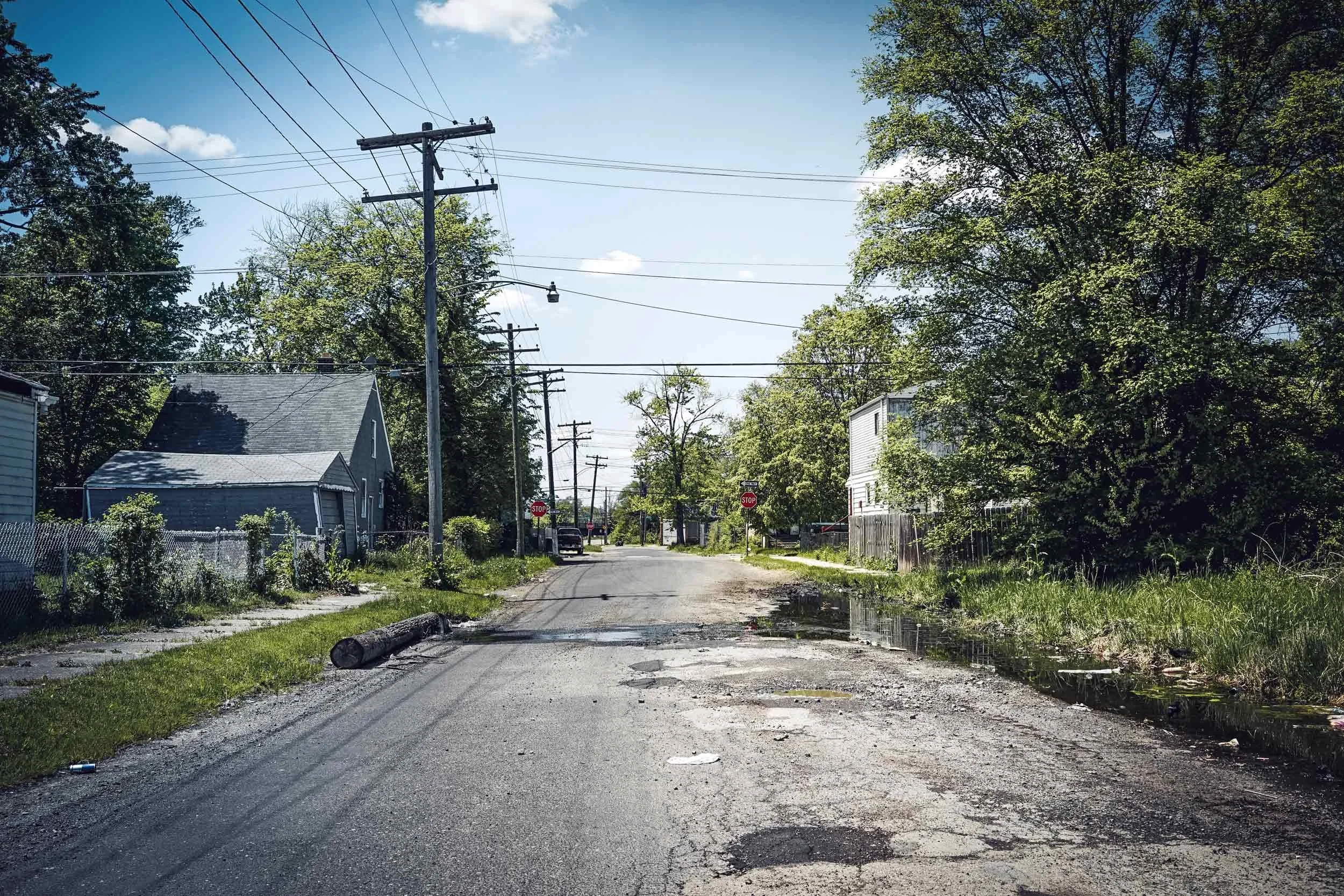
All too often, the quality of a road is tied to the visibility, income level, or political influence of the neighborhood it runs through. As a result, underserved neighborhoods often face rougher roads, with fewer repairs and longer wait times, even though their residents and businesses rely just as heavily on safe, functional infrastructure.
These disparities are often unintentional, but the impacts are very real. Poor pavement conditions can limit mobility, increase vehicle repair costs, and reduce or limit access to jobs, services, and opportunities. When some neighborhoods feature smooth, well-maintained streets while others struggle with potholes and neglect, the imbalance not only affects travel, but also impacts the overall quality of life.
This is precisely why equitable pavement management matters. Using data-driven strategies, transparent decision-making, and community input, cities can ensure that budgets and roadway investments are allocated in ways that truly reflect need. When agencies prioritize fairness, they create roadway networks that are safer, more connected, and more resilient for everyone who depends on them.
Read on to learn about pavement equity and how technology is delivering data-driven insights that help cities prioritize equity in pavement management.
Understanding Pavement Equity
To understand the concept of pavement equity, you must understand the difference between equality and equity.
• Equality means giving every neighborhood equal funding and equal attention.
• Equity recognizes that different communities have different needs, so resources should be distributed based on pavement condition, safety concerns, and long-term risk.
Basically, pavement equity ensures that neighborhoods or communities facing the biggest challenges receive the support they need to catch up, not just an equal share of the budget.
Understanding this distinction is crucial. Many underserved or low-income areas have historically received less maintenance and fewer upgrades. Over time, the condition gap widens, leaving some neighborhoods with disproportionately poor pavement conditions. Cracked pavement, potholes, and deteriorating streets aren’t just inconvenient; they reflect decades of underinvestment that compounds each year.
The effect of this neglect goes far beyond the roadway. Poor pavement can limit access to jobs, schools, and essential services, raise transportation costs, and reduce mobility. It also impacts trust within the community when residents constantly feel left out of the process. By acknowledging the disparities and addressing them directly, agencies can not only build smoother roads but also roadway networks that are fairer and more supportive of every community’s long-term growth.
The Data Behind Disparities
One of the most effective ways to understand pavement inequity is through an objective condition assessment. Metrics like PCI provide a measurable way for agencies to compare streets across an entire network. When scores are compiled and analyzed, patterns become apparent. They uncover which roadways are underserved, or historically underfunded neighborhoods, which tend to have lower PCI values. What might feel like anecdotal frustration to residents becomes quantifiable evidence of inequitable practices.
In the past, assessing pavement condition was a manual affair. Engineers would walk roadways, taking notes and photographs to assess a roadway. This was a highly subjective method. Today, technologies like digital mapping and GIS tools provide highly accurate data, making disparities harder to ignore.
By layering PCI data with demographic information and neighborhood boundaries, agencies can pinpoint exactly where pavement distress is concentrated. These digital maps often reveal clusters of deteriorating streets in communities that may have faced decades of underinvestment. Instead of scattered issues, the problems become a clear geographic pattern. This can help city leaders to see where resources are most urgently needed.
Accurate PCI data shines a light on a more nuanced issue: budget bias. Traditional funding often allocates resources based on traffic volume, political visibility, or historical spending patterns. While these methods might seem legitimate, they can unintentionally favor well-traveled commercial roadways or more affluent residential areas. Meanwhile, streets in less visible neighborhoods continue to deteriorate because they fall lower on priority lists.
Using modern, objective assessment tools and transparent mapping, agencies can identify biases and begin shifting toward funding strategies that prioritize need over habit. The result is a fairer distribution of resources and a stronger, more resilient infrastructure for the entire community.
Strategies for Incorporating Equitable Pavement Management
Pavement equity is about more than recognizing disparities. It requires intentional strategies that place fairness at the center of infrastructure planning. One effective approach is using accurate data to make informed decisions.
By combining highly accurate and objective pavement condition grades and socio-economic indicators, agencies can objectively see where the greatest needs exist. This allows cities to prioritize repairs in the communities that have historically been overlooked, ensuring limited funds deliver the greatest benefits.
However, data alone is not enough. Community engagement plays a crucial role in creating a truly equitable pavement program. Residents know the streets in their communities better than any map or survey, especially when it involves safety concerns, drainage issues, or daily disruptions. These issues don’t show up in condition scores. Taking public input into account through meetings, surveys, or reporting tools helps agencies capture the total picture while building transparency and trust in the process.
Shifting from a reactive to a proactive approach to maintenance is another key strategy. Underserved neighborhoods often suffer from deferred repairs, allowing roads to deteriorate until costly reconstruction is the only option.
By taking a proactive approach and investing in regular preservation treatments. Cities can slow deterioration, extend pavement life, and prevent further decline in the areas and neighborhoods that can least afford long-term neglect. This approach saves significant money over time and helps to level the playing field across communities.
Finally, meaningful change requires policy and funding reform. Cities can adopt equity-focused goals that ensure resources are distributed based on need rather than routine or tradition. Additionally, state and federal programs are increasingly offering grants promoting infrastructure equity. These funding programs can help agencies accelerate improvements in underserved areas and support more resilient pavement management strategies.
These approaches begin to create a framework for a fairer roadway network. A network where every community can benefit from safe, reliable streets and long-term investment.
The Role of Technology in Promoting Pavement Equity
Today, technology is one of the most powerful tools for advancing pavement equity. Using modern GIS and digital mapping platforms, agencies can visualize multiple data streams like pavement condition, maintenance history, budget allocation, and demographic data simultaneously.
When combined, this information provides a clear and transparent picture of where disparities exist and can guide decisions that distribute resources more fairly. Instead of relying on historical practices or public complaints, agencies can see exactly which neighborhoods are underserved and why.
Artificial intelligence and predictive analysis take this insight further. By analyzing trends in pavement deterioration, traffic patterns, and environmental conditions, AI can help forecast when roads will need attention before they reach a critical state. This is valuable for neighborhoods that have traditionally faced reactive or delayed maintenance. Using predictive analysis, agencies can better plan, allocate budgets, and prevent minor issues from becoming major structural failures.
A key to promoting equity is accurate, objective mobile data collection. Vehicle-mounted sensors allow cities to gather consistent assessments of every roadway in the network. This reduces subjective evaluations and ensures all communities, regardless of income, geography, or visibility, are measured using identical standards. This results in an accurate representation of network-wide needs and a strong foundation for equitable decision-making.
Together, these technologies help agencies transition from reactive, uneven maintenance strategies toward a smarter, more transparent approach. When data is clear, standardized, and accessible, it becomes easier to prioritize equity and build road networks that support every community equally.
Real World Examples and Lessons Learned
Across the country, more cities are incorporating equity into their pavement management strategies. For example, some municipalities and cities have adopted scoring models that blend PCI with demographic and socioeconomic data. This can ensure that underserved neighborhoods receive higher priority when budgets are developed.
Other cities have implemented digital mapping dashboards that publicly display pavement conditions and project plans, providing transparency and giving residents a voice in the process. These efforts not only make decision-making fairer but also build and strengthen trust among communities and their local agencies.
Agencies that have adopted equity-focused approaches are already seeing measurable improvements. Neighborhoods that once faced chronic deterioration are enjoying more consistent maintenance cycles. This results in a better balance of pavement conditions across networks, as well as more efficient spending since proactive repairs in high-need areas prevent costly reconstruction later.
Cities Incorporating Equity into Pavement Management
Cities across the country are incorporating equity practices into their pavement management strategies. By using data, technology, and community input to guide decisions, cities are building roadway networks that are not only smoother and safer but genuinely fair for every neighborhood they serve.
The following cities include equity as a part of their pavement management strategies:
San Diego, CA
The City of San Diego’s Pavement Management Plan includes equity factors in its street prioritization criteria. Specifically, they use GIS data in their asset management system to score streets not only on PCI, but also by socio-economic metrics.
The “tiebreaker criteria” for deciding which streets to repair consider whether a street is in a Census tract eligible for a Community Development Block Grant (CDBG), in a promise-zone, or in a “Community of Concern” as defined by a Climate Equity Index. By taking these steps, San Diego is explicitly embracing equity in its pavement investment decisions to ensure that underserved communities are not left behind.
Dallas, TX
In its Five-Year Infrastructure Management Program (FY2024-2028), Dallas has designed Equity Priority Zones. These zones were defined using the Dallas Equity Atlas, a mapping tool that scores neighborhoods based on historical disadvantage, risk, and other equity metrics. In 2024, Dallas committed to allocating at least 20% of its infrastructure improvement funds to these equity priority areas.
Berkley, CA
Berkeley is ramping up its pavement work, specifically in historically underinvested neighborhoods. Their five-year paving plan explicitly focuses on Equity Zones, primarily in West and South Berkeley, areas that have been historically underserved. Beyond resurfacing, their paving projects also improve pedestrian and bike safety, drainage, and signage, making them more accessible for all transportation modes.
Lessons Learned
As more cities include equity factors into their pavement management strategies, some key insights are becoming apparent. The key lesson learned from these and other real-world examples is simple: when agencies measure equity, they can manage and ultimately improve it by building roadway networks that are smoother, safer, and genuinely fair for every neighborhood.
Other insights include:
Equity can be built into scoring systems: San Diego’s approach shows that you don’t need a separate, siloed equity fund. You can bake equity right into decision criteria. (PCI + social metrics)
Mapping matters: Tools like Dallas’s equity atlas or community-concern indices are powerful tools for visualizing where investment dollars need to go, making the case for both decision-makers and the public.
Balanced investment: By pairing preservation in neighborhoods with arterial repairs, cities like West Sacramento show how a balanced, equity-aware pavement strategy can serve both local and network-scale needs.
Paving the Way for a Fairer Future
Ultimately, pavement equity is about ensuring that every road and every resident matters equally. When cities commit to equity and distributing resources based on true need rather than habit, visibility, or historical investment patterns, they create roadway networks that serve the entire community, not just a select few. This shift isn’t just about smoother streets; it’s about fairness, accessibility, and long-term opportunity.
By adopting data-driven decision-making, cities can better identify where disparities exist and act before small issues become major problems. These practices lead to stronger, more resilient communities where mobility is safer, maintenance is more efficient, and public trust grows. Pairing data with technology, from GIS mapping to predictive analysis, provides agencies with the clarity and transparency needed to make equitable decisions that stand the test of time.
Now is the time for cities and agencies to take the next step. Adopting pavement equity frameworks, engaging communities, and investing in modern assessment tools can transform how roadway networks are managed for generations to come. When equity becomes a guiding principle rather than an afterthought, we pave the way toward a future where every neighborhood benefits from safe, reliable, well-maintained streets.
Transmap is a nationwide provider of professional pavement, roadway, and asset management support services to cities, counties, and municipalities. Using our advanced technologies, we provide excellent customer service and a robust full analysis. We are dedicated to maintaining this high standard of data quality while also reducing data collection costs for our clients. To learn more, contact our main office in Columbus, OH at (614) 810–1235.