Pavement Preservation ROI: Investing in Roads Before It’s Too Late
The Benefits of a Pavement Preservation Strategy
Pavement preservation isn’t an expense; it’s an investment that pays measurable returns in cost savings, safety, and performance.
Roads are one of a city’s most valuable and visible assets. Pavement connects communities, supports commerce, and shapes the daily life of residents. Despite their importance, roads are often overlooked until problems become impossible to ignore. Cracks spread, potholes form, and what could have been a simple fix turns into a costly reconstruction project.
Deferred maintenance can strain budgets, accelerate deterioration, and significantly multiply long-term costs. Once pavement deteriorates to the point of failure, the expense of restoring it rises exponentially. That’s why pavement preservation is more than maintenance; it’s a smart investment. By taking a proactive approach and acting early, cities can stretch every dollar, extend the life of their roads, and improve safety and ride quality for everyone.
The return on investment is clear. Read on and learn how preserving pavement today saves money, resources, and headaches tomorrow.
The Cost of Doing Nothing
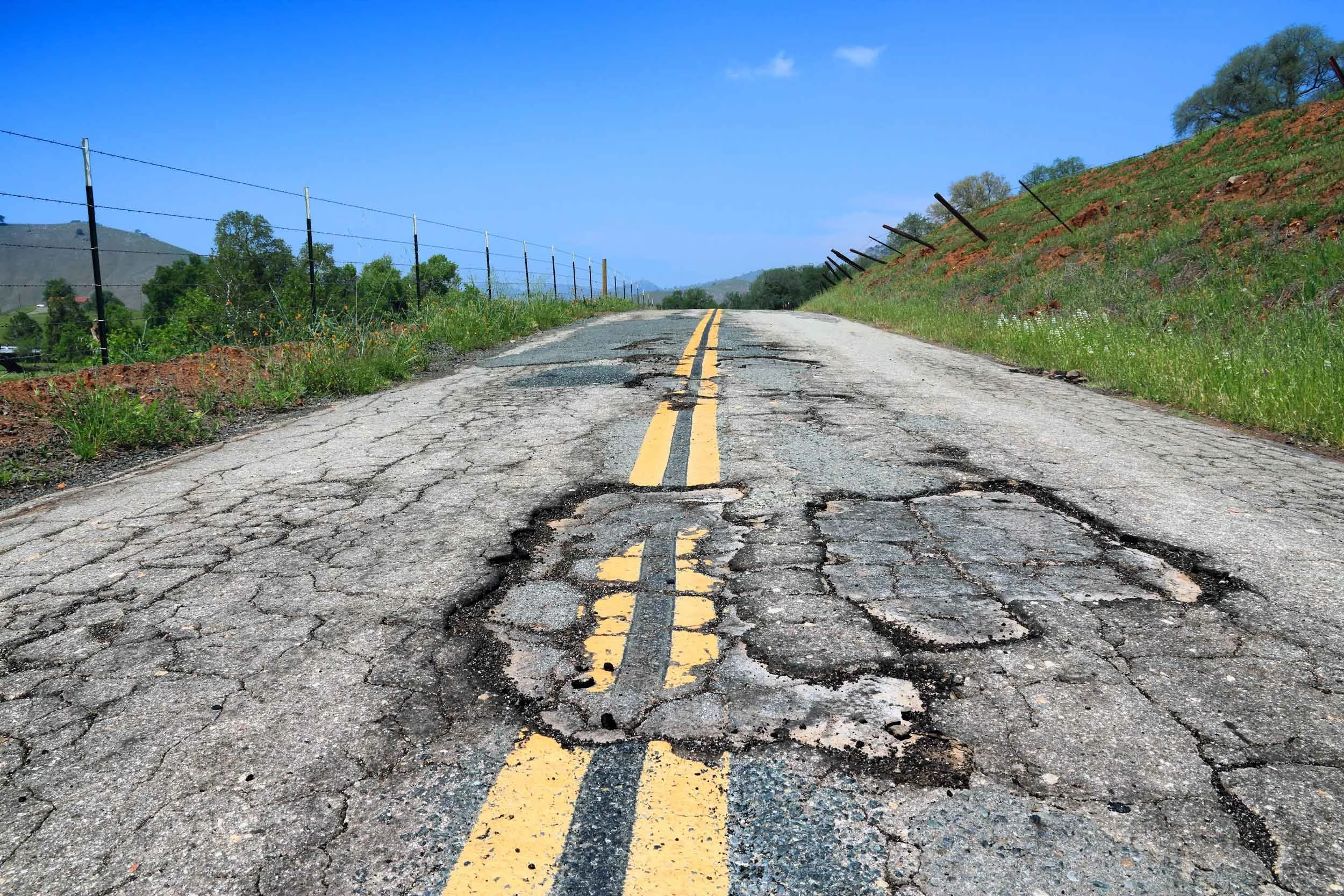
Like many things in life, when it comes to pavement, time is money… and neglect is expensive! What starts as minor cracking can quickly turn into serious damage if left untreated. Water seeps in, the freeze-thaw cycle expands the cracks, and traffic adds additional stress, until the pavement surface begins to fail. What could have been solved with a simple seal or surface treatment now requires full reconstruction at many times the cost.
In the industry, this is known as the deferred maintenance spiral. The longer repairs are delayed, the faster the pavement deteriorates, and the more costly repairs become. Pavement performance follows a predictable path; during the early years, a road’s condition declines slowly, but once it passes a critical point, deterioration rapidly accelerates.
The numbers tell the story. Agencies that act early spend less over time. For example, a city that invests in regular crack sealing and surface treatments can maintain good pavement for decades at a fraction of the cost of frequent rebuilds. However, communities that postpone maintenance often find themselves in a constant cycle of emergency repairs, spending more and getting less. This “worst first” strategy can quickly deplete agency budgets. The takeaway is simple: doing nothing is the most expensive choice.
Understanding Pavement Preservation
Pavement preservation is a proactive approach that focuses on prevention rather than reaction. Instead of kicking the can down the road and waiting for roads to fail before rebuilding them, preservation strategies keep good pavement in good condition for as long as possible. This shift from a reactive approach to preventative maintenance allows agencies to stretch budgets and maximize the value of every dollar spent.
Preventative maintenance includes a range of cost-effective treatments designed to protect the pavement’s surface and slow down deterioration. Common preservation strategies, like crack sealing, eliminate water infiltration, while slurry seals and micro-surfacing restore texture and improve skid resistance. Thin overlays are another cost-effective treatment that smooths the roadway surface and adds structural strength. All these treatments address early signs of wear before they turn into expensive structural problems.
Pavement preservation’s goal is to extend pavement life and maintain serviceability at a fraction of the cost of reconstruction. The right treatment at the right time can add years, sometimes decades, to pavement life. By investing in preservation, agencies can maintain more miles of roadway in better condition, reduce long-term costs, and provide smoother, safer travel for the public. As a strategy, preservation is both practical and financially smart.
Return on Investment
Pavement preservation delivers one of the highest ROI of any public works strategy. Studies indicate that if addressed early, every $1 spent on preservation can save between $4 and $10 in future rehabilitation costs.
This is because preventative maintenance stops minor surface issues from turning into major structural failures that require costly reconstruction. By taking a proactive approach and investing early, agencies can extend pavement life and avoid the steep costs that come with waiting too long.
The benefits of pavement preservation go beyond cost savings. Well-maintained roads provide smoother rides, fewer driver complaints, and improved safety. Small cracks and surface wear can reduce traction and increase the risk of accidents. Preserved pavements maintain better skid resistance. In addition, smoother roads reduce vehicle wear and lower fuel consumption, benefiting both drivers and the local economy.
From an operational standpoint, pavement preservation improves efficiency. Proactive treatments are quicker to apply and cause much less traffic disruption compared to large-scale reconstruction projects. This allows agencies to maintain more miles of roadway with the same or smaller budgets, optimizing both time and resources.
Besides cost savings and improved efficiency, pavement preservation offers an environmental return. Preservation treatments use fewer materials and generate significantly less waste than full reconstruction. This significantly reduces the carbon footprint of road maintenance. By extending the usable life of existing infrastructure, cities can lower emissions, conserve natural resources, and contribute to broader sustainability goals.
The bottom line... pavement preservation pays financial, operational, and environmental dividends, making it one of the smartest investments a community can make.
Data-Driven Decision Making
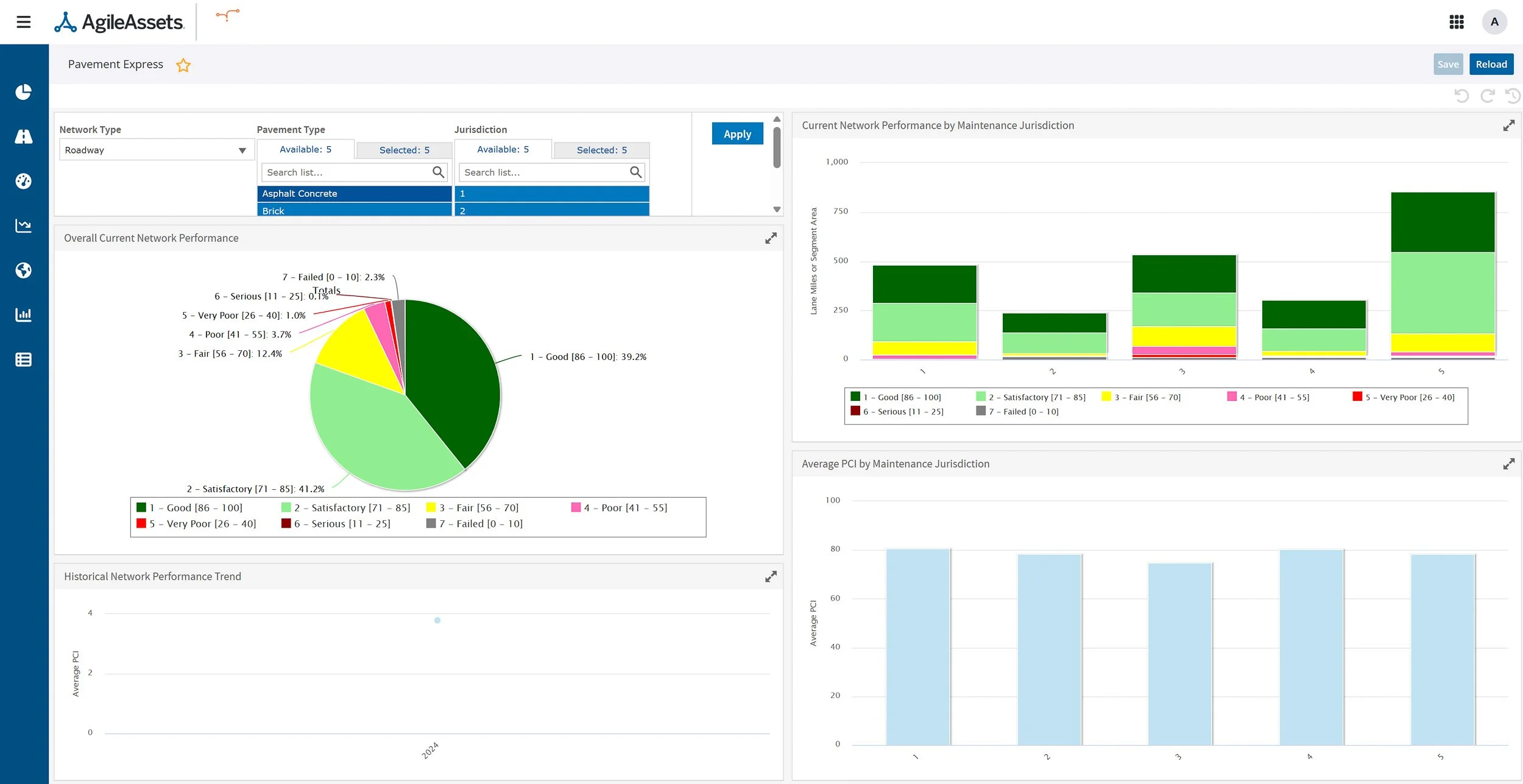
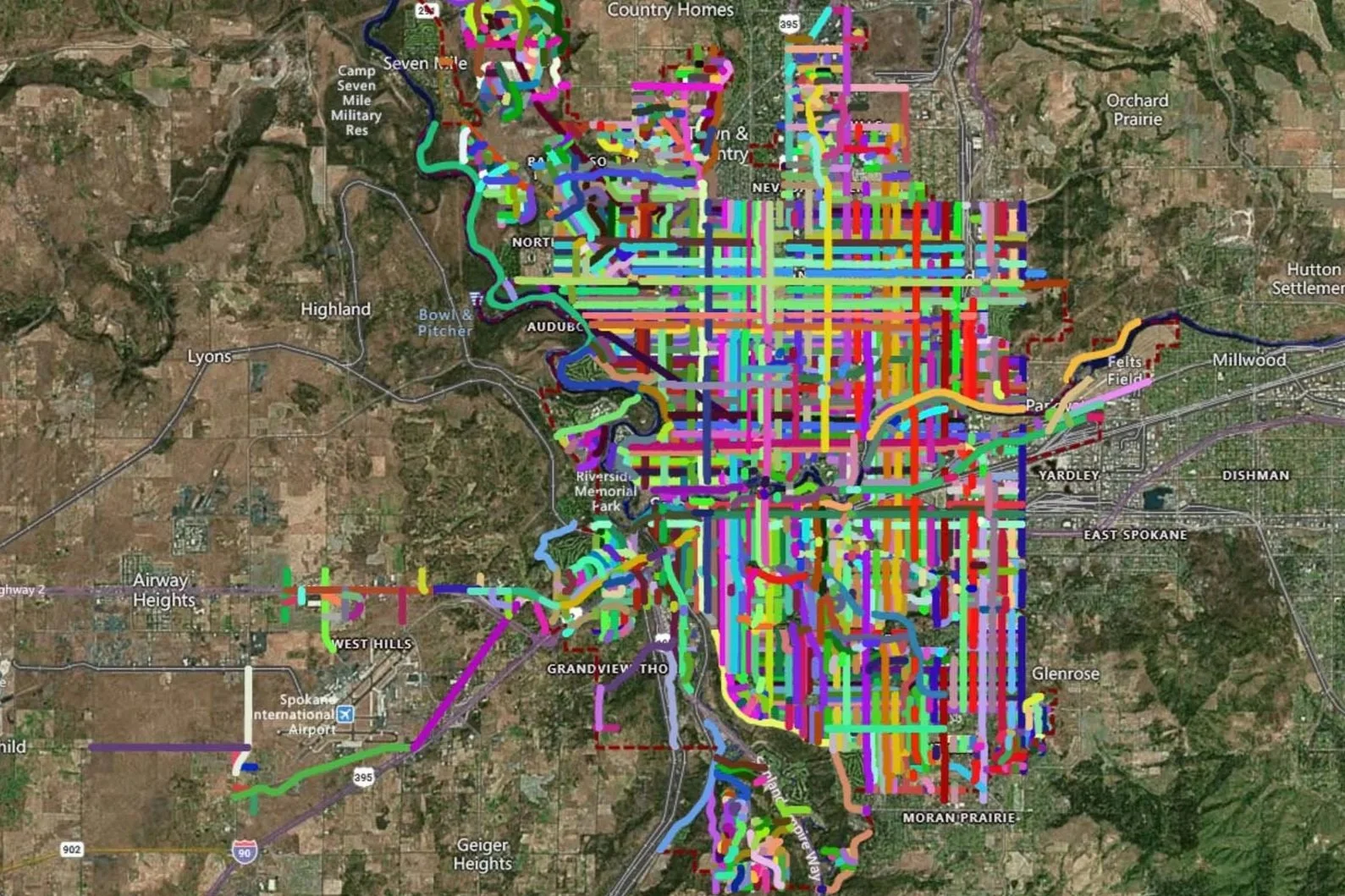
Smart pavement management begins with accurate data. Pavement Condition Index (PCI) scores and automated roadway surveys provide agencies with an accurate, objective overview of their pavement network’s condition. Instead of relying on subjective visual inspections, cities can use measurable data to prioritize repairs. This ensures that limited budgets are directed where they will make the biggest impact, keeping good roads in good condition, extending pavement life, and preventing costly reconstruction later.
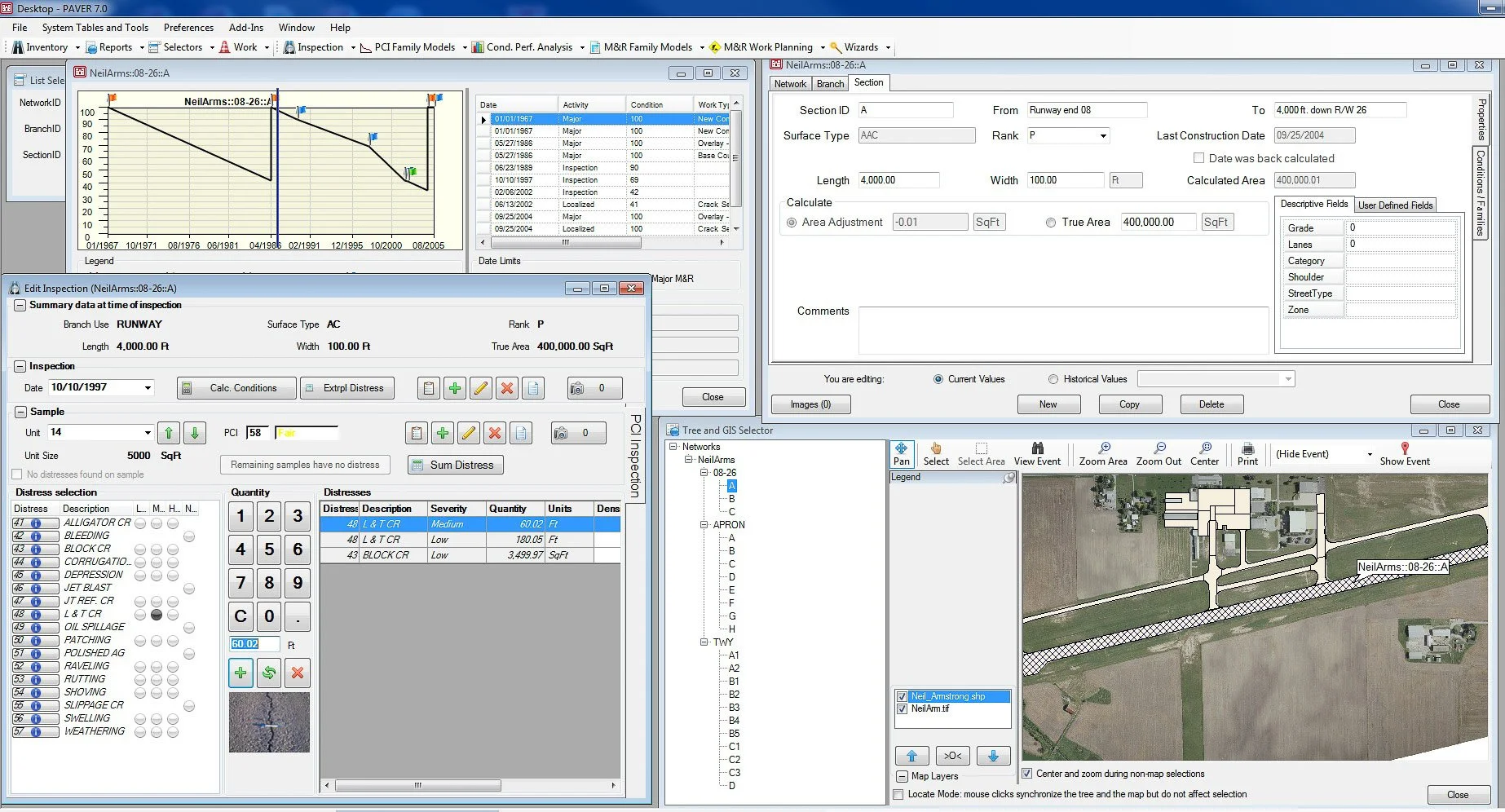
With tools like PAVER (a pavement management software product developed by the U.S. Army Corps of Engineers), agencies can incorporate predictive modeling. By analyzing how pavements typically deteriorate over time, agencies can use deterioration curves to forecast when a road will fall below an acceptable condition level.
With predictive modeling, agencies can deploy the right treatment at the right time, before minor issues become major failures. With predictive insights, decision-making becomes proactive rather than reactive, leading to more consistent pavement performance and long-term savings.
Pavement Management Systems (PMS) bring all this data together. These platforms combine condition estimates, traffic volumes, treatment histories, and budgets into one, clear decision-making framework. The result is a powerful tool that helps cities choose the most cost-effective preservation strategy for each road segment. By implementing the right treatment at the right time, agencies not only improve the ROI of maintenance programs but also deliver smoother, safer, and longer-lasting roads for their communities.
Some Challenges of Pavement Preservation
While the benefits of pavement preservation are clear, implementing a successful plan comes with some challenges. One of the biggest is limited budgets. Cities and counties often face pressure to allocate funds toward roads that are in poor condition, leaving fewer resources for preservation.
Balancing the need to repair failing pavement with the importance of maintaining roads still in good shape requires careful planning and long-term thinking. Agencies that can dedicate even a small portion of their budgets to proactive maintenance often see significant savings over time; however, shifting the mindset isn’t always easy.
Another challenge is public perception. Drivers tend to notice when a road looks fine but is being treated, leading some to question why maintenance dollars are being spent there instead of on more visibly damaged roadways. The key to changing the public’s mindset is educating residents about the value of proactive maintenance. Explaining that a quick, inexpensive treatment today can prevent a costly rebuild tomorrow can help to build public understanding, trust, and support for preservation programs.
Finally, data accuracy plays a crucial role in maximizing ROI. Pavement management and preservation decisions are only as good as the data on which they are based. Reliable pavement condition assessments featuring automated data collection and consistent PCI scores ensure that funds are spent wisely and treatments are applied where they will have the greatest impact. When agencies combine accurate data with strategic planning, they can overcome these challenges and enjoy the long-term benefits pavement preservation can provide.
Conclusion: Investing Before It’s Too Late
Pavement preservation is one of the smartest investments a city can make. It delivers measurable financial, operational, and environmental returns. It does this by extending pavement life, reducing long-term costs, and improving roadway performance. Instead of reacting to failures, taking the proactive approach of pavement preservation allows cities to stay ahead of deterioration, saving millions of dollars while providing smoother, safer roads for businesses and residents.
It's simple, really; the longer cities wait, the more they will pay. Delaying maintenance turns small, affordable treatments into large-scale reconstruction projects that drain budgets and disrupt communities. Every year of inaction shortens pavement life and compounds cost. A proactive strategy protects not just the pavement, but the city’s investment in its infrastructure.
It's time for agencies to stop applying a worst-first approach and adopt a preservation-minded strategy. By leveraging accurate pavement condition data, predictive modeling using platforms like PAVER, and modern management systems, decision-makers can identify and deploy the right treatment at the right time, resulting in a more sustainable, cost-effective, and forward-thinking approach to infrastructure management. Pavement preservation isn’t simply maintenance; it’s a long-term investment in safer roads, stronger, more effective budgets, and smarter cities.
Transmap is a nationwide provider of professional pavement, roadway, and asset management support services to cities, counties, and municipalities. Using our advanced technologies, we provide excellent customer service and a robust full analysis. We are dedicated to maintaining this high standard of data quality while also reducing data collection costs for our clients. To learn more, contact our main office in Columbus, OH at (614) 810–1235.