How Recycled Materials Are Shaping the Future of Pavement
Recycled Materials and the Shift Toward Sustainable Infrastructure
Agencies across the country are rethinking how roads are built and how infrastructure is maintained.
The shift toward sustainable infrastructure is no longer a niche idea; today, it’s become a necessity. Communities are placing a greater emphasis on environmentally responsible construction. Residents are demanding sustainability, expecting public agencies and contractors to reduce waste, conserve resources, and lower carbon impact wherever possible. At the same time, rising material costs and ongoing supply chain pressures are straining already limited budgets.
Virgin aggregates and asphalt binders are more expensive and, at times, difficult to source reliably. These economic realities are forcing agency and government decision-makers to seek smarter, more sustainable, and more resilient solutions. Recycling has emerged as a powerful answer to both challenges. By incorporating reclaimed asphalt, recycled concrete, and other repurposed materials into pavement design, agencies can reduce environmental impact while maintaining and often improving performance.
Sustainable practices are no longer just good for the planet; they are shaping the future of pavement construction.
Why Sustainability Matters
When we talk about sustainability in pavement management, it is about more than just meeting environmental goals. Sustainability directly impacts how responsibly and efficiently infrastructure is built and maintained.
The production of virgin aggregates and asphalt uses significant energy and natural resources. Quarrying stone, transporting materials, and refining asphalt binder all contribute to greenhouse gas emissions and environmental disruption. Over time, this process places strain on natural landscapes and increases the carbon footprint of roadway projects.
At the same time, millions of tons of old asphalt and concrete are removed from roads every year. Without recycling, most of this ends up in landfills, taking up space and wasting valuable resources. By reusing pavement materials, agencies can significantly reduce landfill waste while conserving aggregates and petroleum-based products for future use.
Sustainable pavement practices also align closely with state and federal initiatives to reduce emissions, improve resource efficiency, and promote resilient infrastructure. By integrating recycled materials into pavement management strategies, agencies can meet regulatory initiatives while building roads that are both cost-effective and environmentally responsible.
Common Recycled Materials Used in Modern Pavement
Recycling in pavement construction is possible through several materials that can be recovered, processed, and reused in new projects. These recycled materials not only reduce waste but also contribute to cost savings and reliable, resilient pavement performance.
Common materials include:
Reclaimed Asphalt Pavement (RAP)
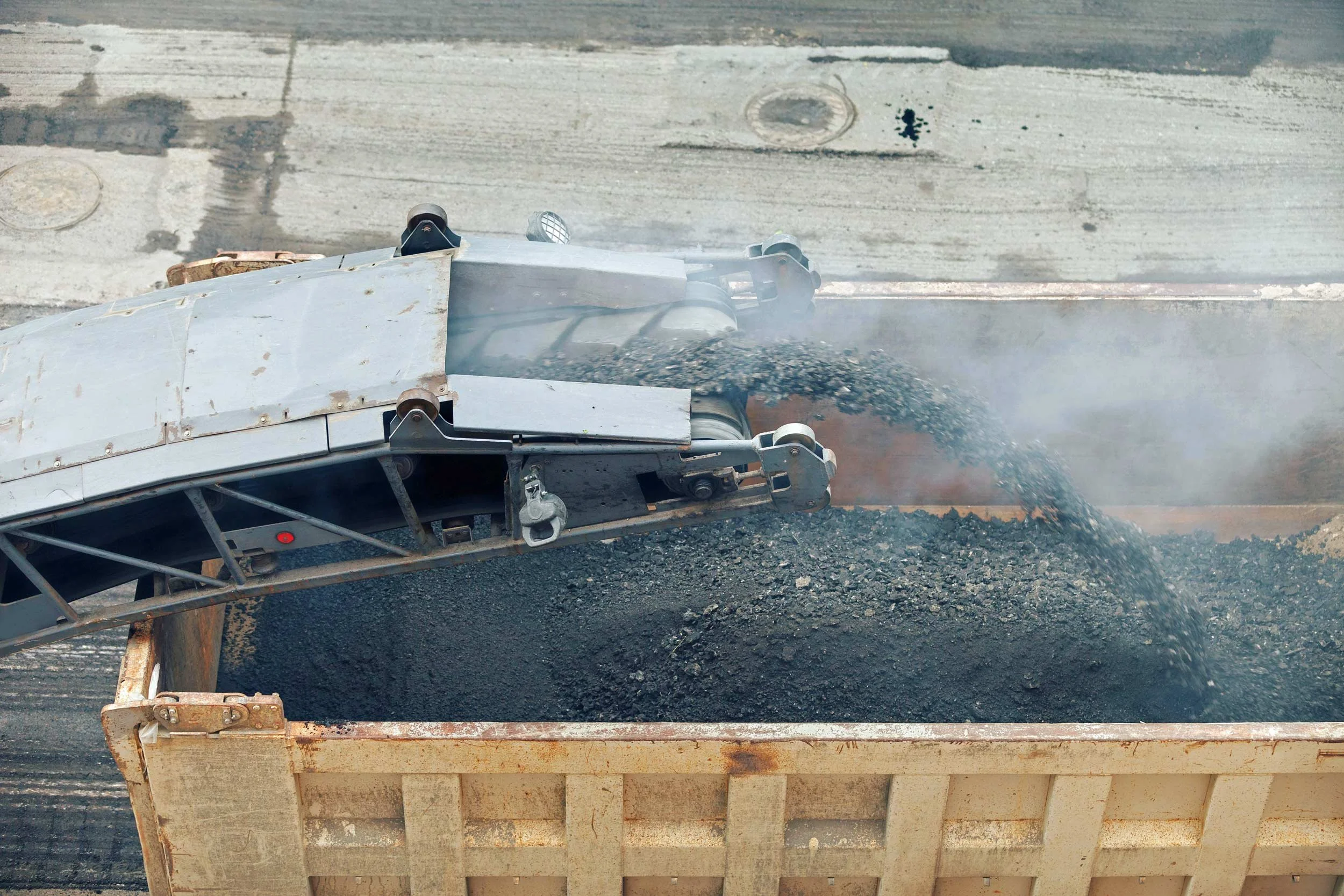
RAP is one of the most widely used recycled materials in roadway construction. Reclaimed asphalt is created by milling or removing existing asphalt pavement, which is then crushed, screened, and processed so it can be used in new asphalt mixtures. Because RAP already contains aggregate and binder, it requires fewer virgin materials and doesn’t need to be mixed as hot as new asphalt, resulting in less energy use to produce. When properly designed and blended, RAP mixes provide strong performance and durability, making them a common choice for resurfacing and rehabilitation projects.
Recycled Concrete Aggregates (RCA)
Recycled Concrete Aggregate is produced by crushing and processing old concrete from roads, bridges, and structures. Once processed, RCA can be reused as a base or substrate layer in pavement systems. RCA provides a stable foundation for new roadways while reducing demand for newly quarried aggregate.
Recycled Asphalt Shingles (RAS)
RAS comes primarily from discarded roofing. Instead of sending shingles to landfills, they are processed and incorporated into asphalt pavement mixes. The asphalt content in shingles can enhance binder performance and improve stiffness in certain mix designs, while also diverting large volumes of roofing waste from disposal sites.
Industrial Byproducts: Fly Ash and Slag
Industrial byproducts like fly ash and slag can also be used in pavement construction. These materials are generated during manufacturing and energy production and can be repurposed to improve pavement materials. When incorporated into concrete or stabilization applications, they can increase strength and durability while lowering the need for cement. This can help to lower the overall carbon footprint associated with pavement construction.
Beyond Environmental Impact
While sustainability is often cited as a reason for incorporating recycled materials, their value extends beyond environmental benefits. When properly processed and incorporated into pavement design, recycled materials can deliver performance comparable to (and in some cases better than) that of traditional materials.
One key advantage is durability. Recycled materials like reclaimed asphalt pavement and recycled concrete can perform as reliably as virgin materials when used in well-designed mixes. In some cases, these materials also enhance flexibility, helping pavement better withstand temperature fluctuations and traffic loads. Improved flexibility also reduces the likelihood of cracking, extending pavement life.
Recycled materials can also provide long-term lifecycle cost advantages. By reducing the need for new raw materials and supporting longer pavement service life, agencies can stretch maintenance and construction budgets further over time.
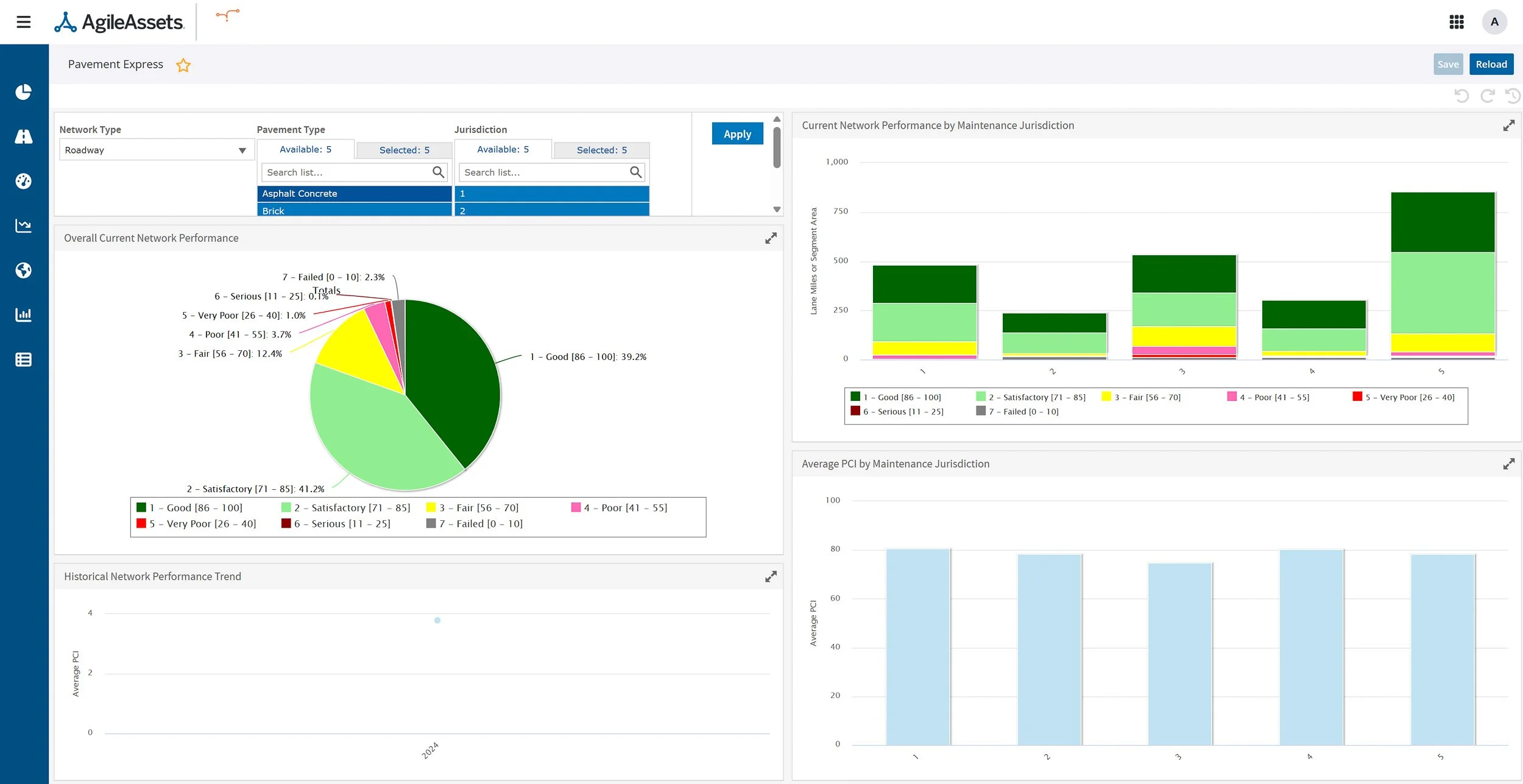
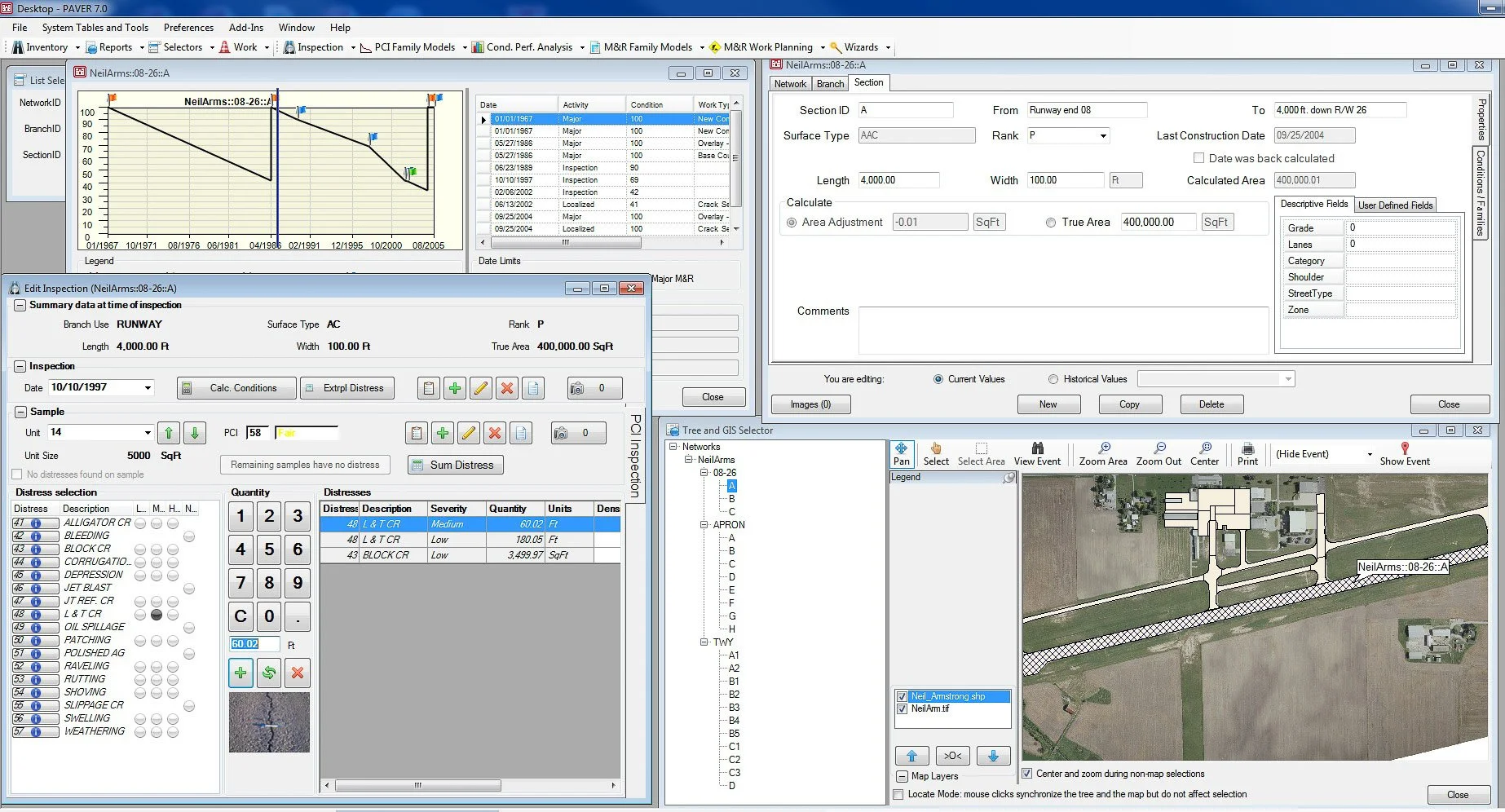
Modern pavement management systems also play an important role in evaluating these benefits. Data-driven analysis allows agencies to monitor pavement performance, track deterioration patterns, and make informed decisions about material selections. As a result, recycled materials can easily be integrated into pavement strategies with confidence and measurable results.
The Economic Advantages of Using Recycled Materials
Recycled materials not only offer environmental and performance benefits but also meaningful economic advantages for municipalities and agencies. As infrastructure budgets continue to face pressure, recycling provides a practical way to manage costs without sacrificing pavement quality.
One of the most immediate benefits is lower material costs. By incorporating reclaimed materials such as asphalt or concrete into new pavement mixes, agencies can reduce the amount of virgin materials required. This can help to offset rising material prices and minimize supply chain disruptions.
Recycling also reduces disposal costs. Instead of hauling materials to the landfill, contractors can process and reuse them on new projects. This reduces transportation costs and keeps valuable materials in circulation. These savings allow agencies to stretch budgets further. Resources that might have been spent on raw materials or disposal can instead be redirected toward additional maintenance, rehabilitation, or roadway improvements.
Challenges and Considerations
Recycled materials offer many benefits, but their use comes with some challenges. Using recycled materials requires careful planning and oversight. Agencies and contractors need to address several issues to ensure consistent performance and long-term reliability.
One challenge is the potential variability in materials. Unlike virgin aggregates, which are produced under controlled conditions, reclaimed materials can vary in composition depending on their source and processing. Proper testing, screening, and quality control are essential to ensure materials meet the needed performance requirements.
Engineering standards and specs also play an important role. Many transportation agencies have established guidelines for incorporating recycled materials into pavement mixes. These standards help ensure that recycled materials are used safely and effectively while maintaining consistent roadway performance.
Public perception can be another consideration. Some stakeholders may assume that recycled materials result in lower-quality roadways. Modern processing methods and engineering practices allow recycled materials to perform at a high level. Clear communication and education can help build confidence in sustainable pavement solutions and highlight their long-term value.
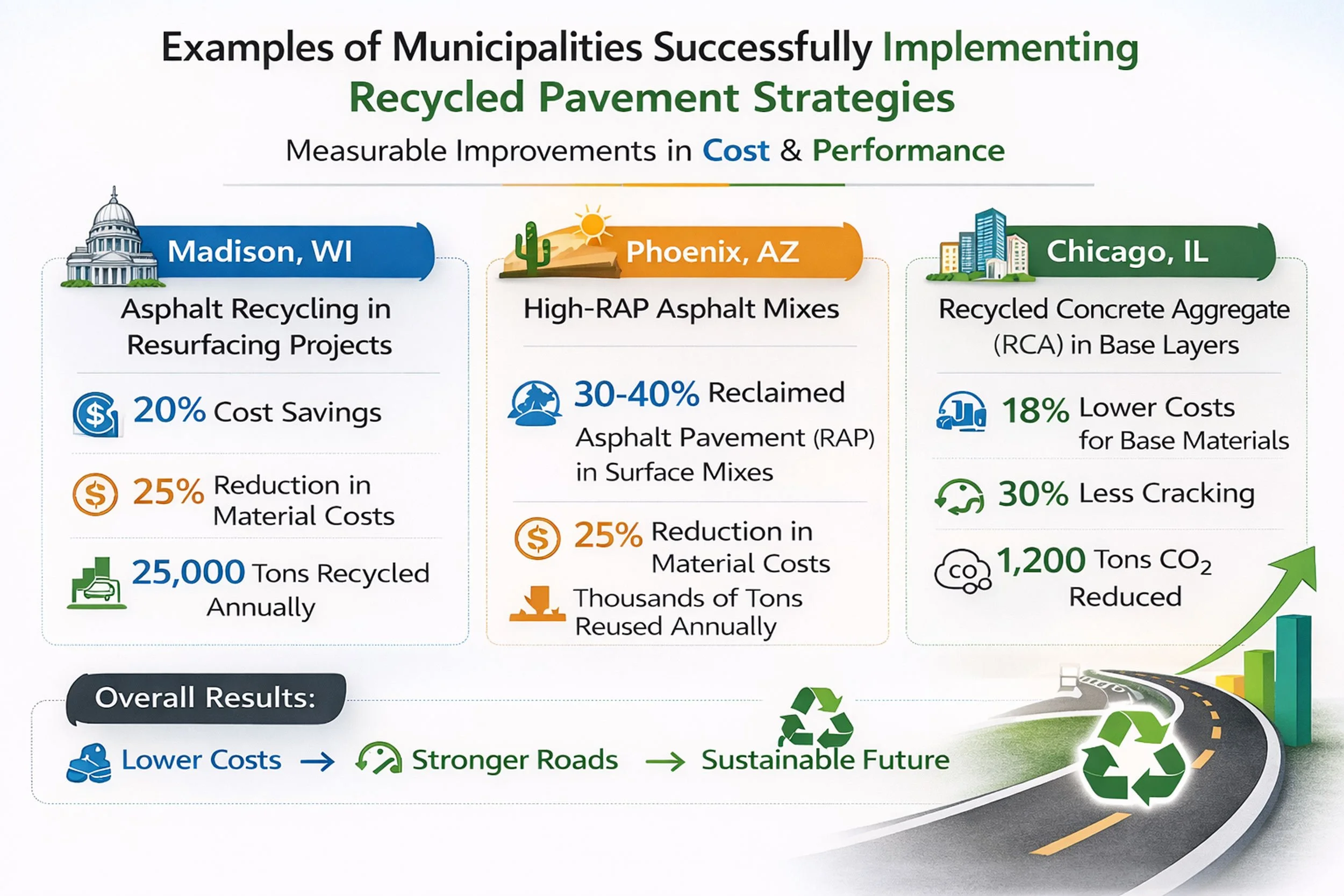
The Circular Economy in Action
The future of pavement management and construction is increasingly shaped by the principles of the circular economy. This conceptual approach focuses on reusing materials, minimizing waste, and keeping valuable resources in continuous use. In roadway construction, this means recovering existing pavement materials and incorporating them back into new projects rather than relying solely on newly sourced aggregate and binders.
One clear and growing trend is the increasing percentage of recycled materials used in asphalt production. Advances in processing technology and mix design are allowing agencies and contractors to incorporate higher levels of reclaimed asphalt and other recycled materials while still meeting strict performance standards. As confidence in these materials grows, many transportation agencies are expanding allowable recycling thresholds.
Simultaneously, carbon reduction goals and evolving infrastructure policies are encouraging more sustainable construction practices. Governments and agencies are prioritizing strategies that lower emissions and conserve natural resources.
Together, these efforts are moving the industry toward fully sustainable roadway networks, where today’s roads become the raw materials for tomorrow’s infrastructure.
Conclusion: Building Smarter, Greener Roads
Recycled materials are becoming a strategic investment in modern pavement management. By reusing materials like reclaimed asphalt and recycled concrete, agencies can reduce waste while making better use of existing resources. This approach supports environmental responsibility while helping to extend limited infrastructure budgets.
Sustainable pavement practices also show that performance and cost efficiency go hand in hand. When properly designed and tested, recycled materials can deliver durable roadways while lowering material costs and reducing the environmental impacts of construction.
As recycling technologies continue to advance, agencies and contractors have greater opportunities to embrace innovative practices that support smarter, more sustainable roadway systems.
Transmap is a nationwide provider of professional pavement, roadway, and asset management support services to cities, counties, and municipalities. Using our advanced technologies, we provide excellent customer service and a robust full analysis. We are dedicated to maintaining this high standard of data quality while also reducing data collection costs for our clients. To learn more, contact our main office in Columbus, OH at (614) 810–1235.