From Data to Decisions: Why Pavement Condition Index (PCI) Matters

The Importance of the Pavement Condition Index
Roads are the backbone of every community. They connect the people, goods, and services that keep cities moving.
When pavement condition declines, it impacts much more than just a rough ride for residents. Poor roads are more expensive to maintain, strain municipal budgets, and pose safety risks to both drivers and pedestrians. Effective pavement management isn’t just fixing potholes; it’s about making smart, data-driven decisions to optimize budgets and protect public safety.
This is where the Pavement Condition Index (PCI) comes in. PCI provides a clear and standardized method for measuring pavement quality. This allows agencies to transform raw inspection data into actionable insights to guide maintenance, planning, and investment.
In this blog, you will learn exactly what PCI is, how it standardizes pavement evaluation, and why it matters.
What is the Pavement Condition Index (PCI)
The Pavement Condition Index (PCI) is a standardized system used to measure and communicate the health of road surfaces. Originally developed by the U.S. Army Corps of Engineers. PCI gives transportation agencies a clear understanding of pavement performance and the ability to plan maintenance. The goal of PCI is simple. By translating distress such as cracking, raveling, or rutting into a numerical score, it reflects the current condition and maintenance needs of any paved surface.
PCI scores range from 0 to 100. Each number is tied to a specific level of pavement health.
PCI 85 – 100 – The pavement is in very good to excellent condition and may only require minimal routine maintenance.
PCI 55-84 – At this rating, the pavement is in good to fair condition and could benefit from preventative treatments.
PCI 40 – 54 – Signals more significant deterioration. Pavement at this level will require more substantial repairs or reconstruction.
PCI below 40 –Scores below 40 often signal major structural issues or complete failure of the roadway.
This straightforward scale lets agencies quickly identify roadways that are doing well and those that require immediate attention. PCI ensures that maintenance dollars are effectively spent where they will have the greatest impact.
One of the key strengths of the PCI system is standardization. Because PCI uses a standardized method of inspection and scoring, different cities, counties, and states can evaluate their road networks using the same criteria. This creates a common language, making it easier to compare data, justify budgets, and communicate infrastructure needs to stakeholders and the public. In short, PCI turns subjective assessments into objective, reliable data. This empowers agencies to make more informed, transparent, and strategic decisions about their road networks.
Why PCI Matters
PCI is a decision-making tool that turns complex data into an actionable strategy. By offering measurable insights into pavement condition, PCI enables fact-based decisions, reducing guesswork and ensuring every choice relies on objective information.
PCI contributes to:
Efficient Budget Allocation
PCI supports efficient budget allocation. Agencies use it to prioritize road repairs, allocate funds strategically, and determine which segments need repairs, resurfacing, or reconstruction for the greatest benefit.
Extending Pavement Lifespan
Regular PCI assessments can help agencies detect issues early and act before minor problems become major failures. This proactive approach can save significant costs and extend the lifespan of roadway assets.
Public Safety and Satisfaction
Finally, maintaining higher PCI ratings directly contributes to public safety and satisfaction. Smooth, well-maintained roads reduce liability, lower accident risk, reduce vehicle damage, and minimize travel disruptions. When agencies use PCI to guide their decisions, they not only improve the quality of their pavement networks but also build trust with the public through transparency and accountability.
The Pavement Condition Index in Practice
Cities and counties across the country use the PCI to transform how they plan, maintain, and invest in their roadway networks. Instead of relying on visual inspections or residential complaints, agencies use PCI data to take a proactive, data-driven approach.
Many agencies now develop multi-year maintenance plans based on PCI scores to identify which roads need preventative care, resurfacing, or full reconstruction. This strategy helps extend the life of pavement assets and ensures limited budgets are used where they will have the biggest impact.
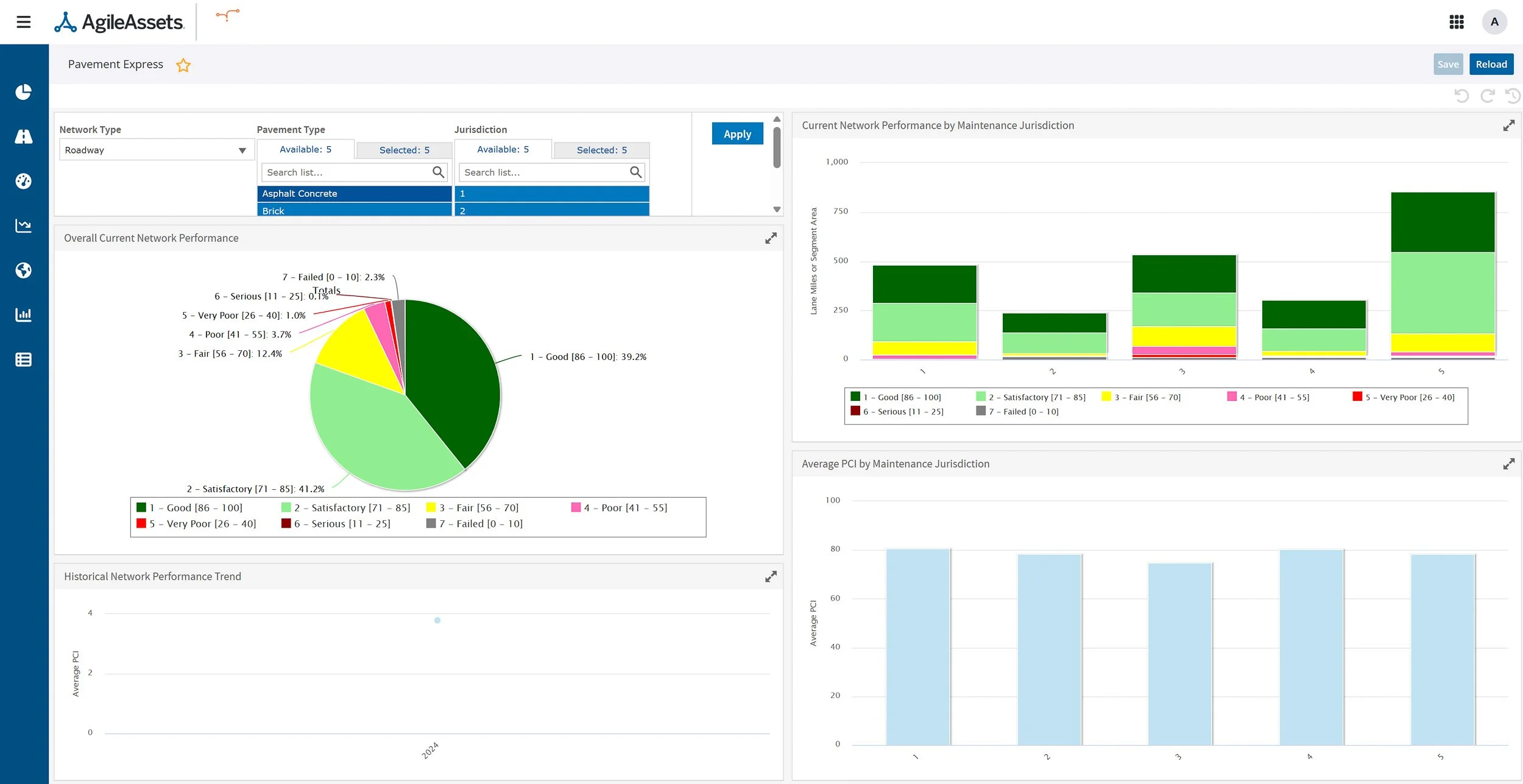
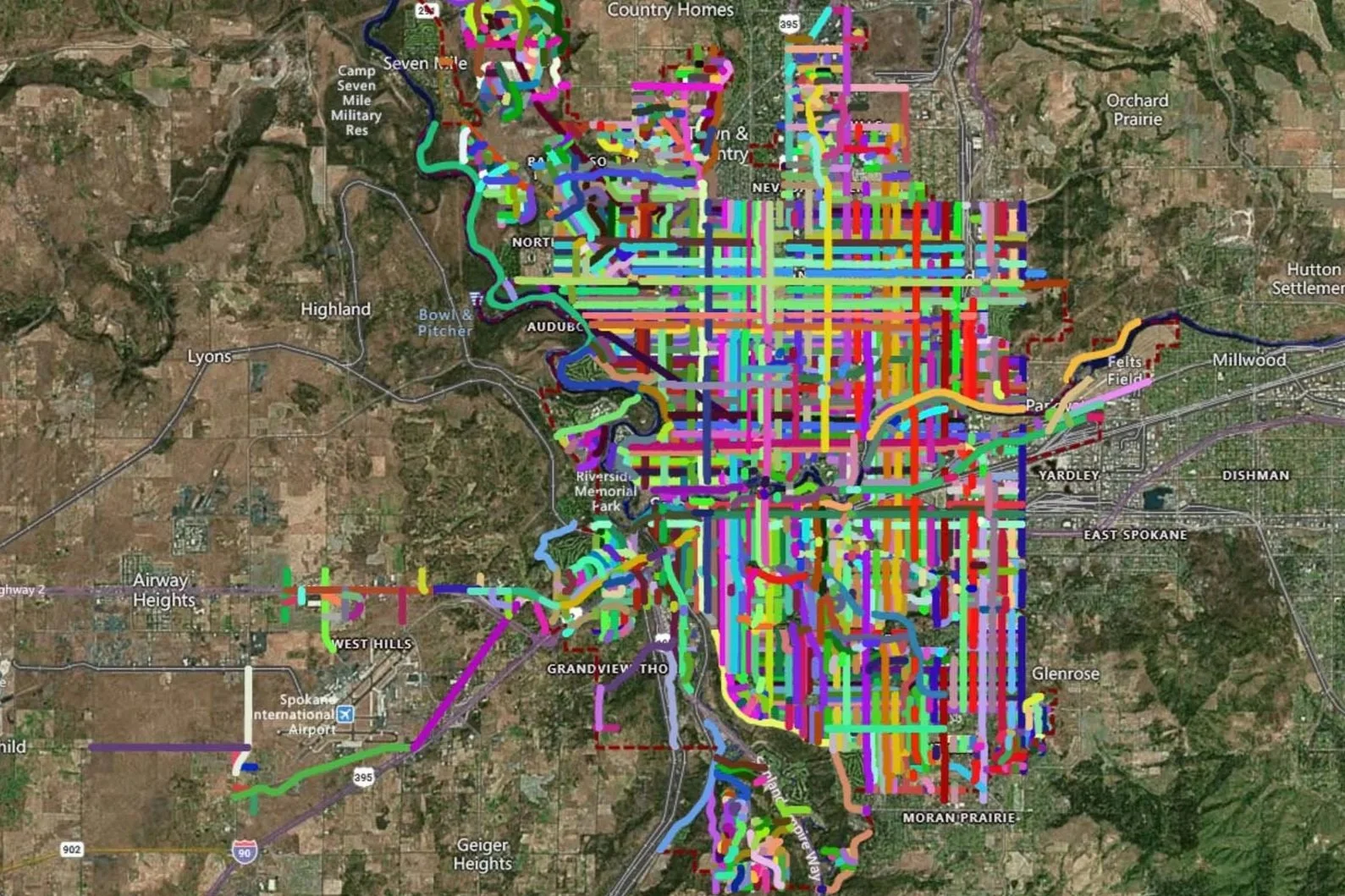
When integrated with asset management systems and GIS mapping tools, PCI data becomes even more effective. These digital platforms allow agencies to visualize pavement conditions across entire roadway networks. Using color-coded maps and searchable data, engineers and planners can see where conditions are declining, plan maintenance schedules, and coordinate with other infrastructure projects. The result is a more transparent, efficient, and strategic approach to pavement management that aligns engineering priorities with budget realities.
PAVER, Laser Scanning, and AI-driven Analysis
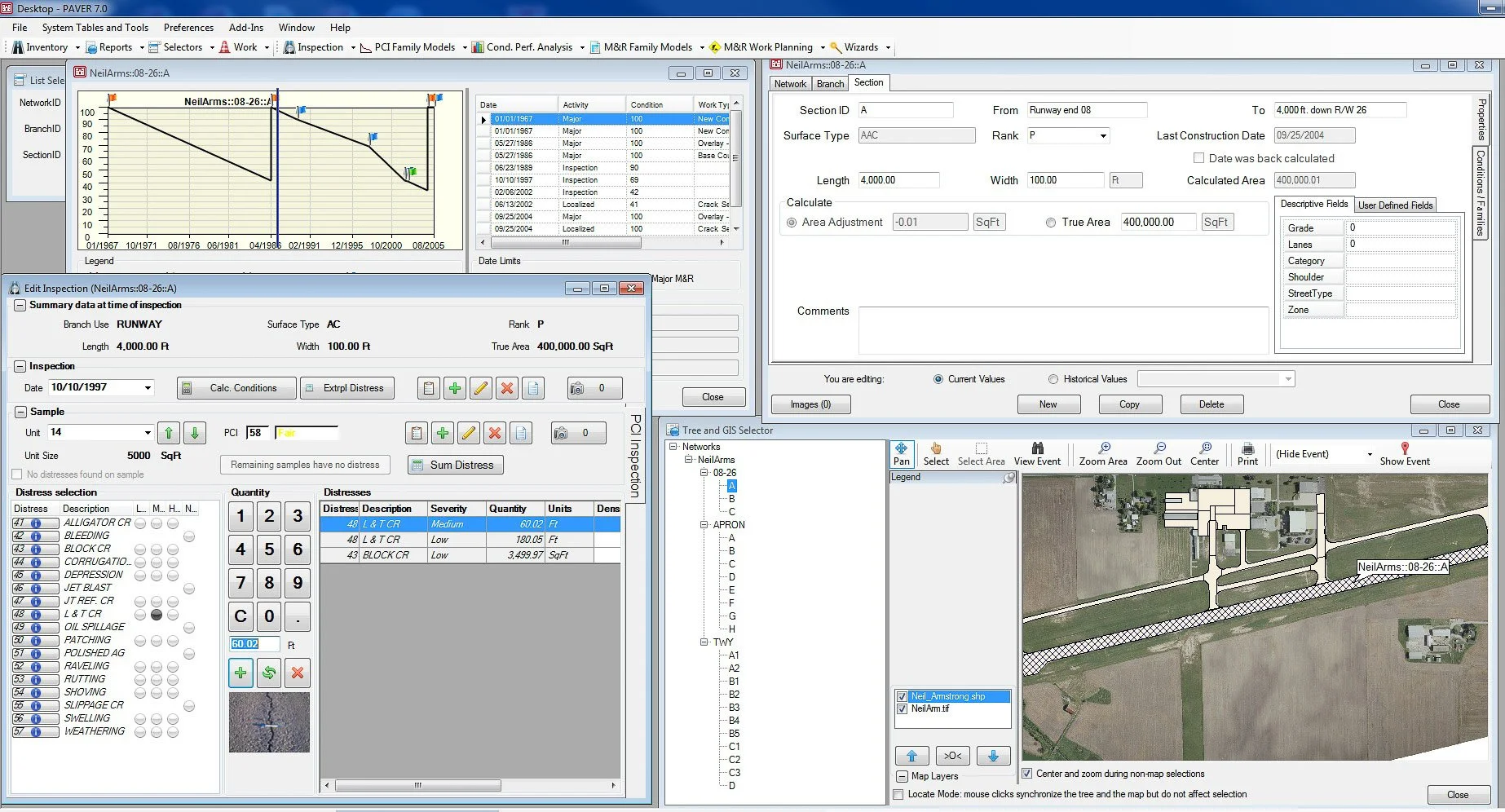
A key tool supporting the process is PAVER, a pavement management software platform developed by the U.S. Army Corps of Engineers. Built around the PCI framework, PAVER stores inspection data, calculates pavement condition ratings, predicts future deterioration, and helps agencies to prioritize pavement maintenance. By modeling how pavement ages over time, the software helps agencies to plan, optimize spending, and communicate clearly with decision-makers.
In the past, pavement was visually inspected, and its condition was manually recorded by engineers with clipboards. Today, modern technology has changed how data is collected and analyzed. Laser scanning, ground-penetrating radar, 360-degree high-resolution imaging, and AI-driven analysis can assess pavement conditions with greater speed and accuracy than ever before.
Automated data collection eliminates the subjectivity of manual inspection. Agencies can gather and process consistent, objective information across large roadway networks. Technology gathers millions of data points all without interrupting traffic. These tools make PCI not just a measurement of pavement condition, but also the foundation of a smarter, more efficient, and more sustainable approach to pavement management.
Challenges and Considerations
Pavement condition index is a powerful tool for pavement management; however, its effectiveness depends on its consistent and accurate application. One of the biggest challenges agencies face is maintaining accurate data and consistency across surveys. Different inspection methods, equipment, or personnel can produce slightly different results, making long-term comparisons difficult. Establishing clear standards for data collection and using automated tools whenever possible ensures that PCI scores accurately reflect pavement conditions and can be trusted for decision-making.
Another challenge is balancing PCI results with constraints like political priorities and limited budgets. Even when PCI scores clearly identify which roads need attention, funding often goes to the most visible or heavily traveled routes. Agencies must find a balance between maintaining network-wide performance and meeting public expectations. When agencies communicate how PCI supports cost-effective, long-term maintenance strategies, it can help to justify data-driven decisions to stakeholders and the community.
Finally, it’s important to understand that PCI is not a one-time measurement. PCI is a living dataset that must be regularly updated to stay relevant. Pavement conditions are continually changing over time due to weather, traffic, and maintenance, so outdated PCI data can lead to poor investment choices.
Regular inspections, every two to three years, allow agencies to monitor deterioration trends and adjust their plans accordingly. When kept current and consistent, PCI remains one of the most reliable tools for effective and sustainable pavement asset management.
Conclusion
PCI bridges the gap between raw data and informed decision-making. By transforming surface-level observations (and substrate information via GPR) into standardized, measurable, comparable insights, PCI empowers cities and counties to make smarter choices about how and when to invest in their pavement networks. The pavement condition index replaces guesswork and subjective analysis with hard data. This helps agencies to allocate resources strategically, extending the life of their infrastructure and ensuring safer, smoother roads for the public.
The opportunity for municipal agencies is clear. A PCI-based approach can save money, improve safety, and enhance long-term planning by identifying problems early and prioritizing maintenance before more costly repairs are necessary. When combined with modern technology and tools such as GIS mapping, automated data collection, AI analysis, and asset management software, PCI becomes the foundation of a data-driven pavement management strategy.
Cities that adopt or strengthen PCI-driven strategies today will be positioned to meet the challenges of tomorrow. By investing in consistent, accurate data collection and proactively planning, communities can build more resilient infrastructure, stretch budgets further, and deliver reliable, safe, well-maintained roads that businesses and residents need, expect, and deserve.
Transmap is a nationwide provider of professional pavement, roadway, and asset management support services to cities, counties, and municipalities. Using our advanced technologies, we provide excellent customer service and a robust full analysis. We are dedicated to maintaining this high standard of data quality while also reducing data collection costs for our clients. To learn more, contact our main office in Columbus, OH at (614) 810–1235.