Choosing the Right Pavement Management System (PMS) Software
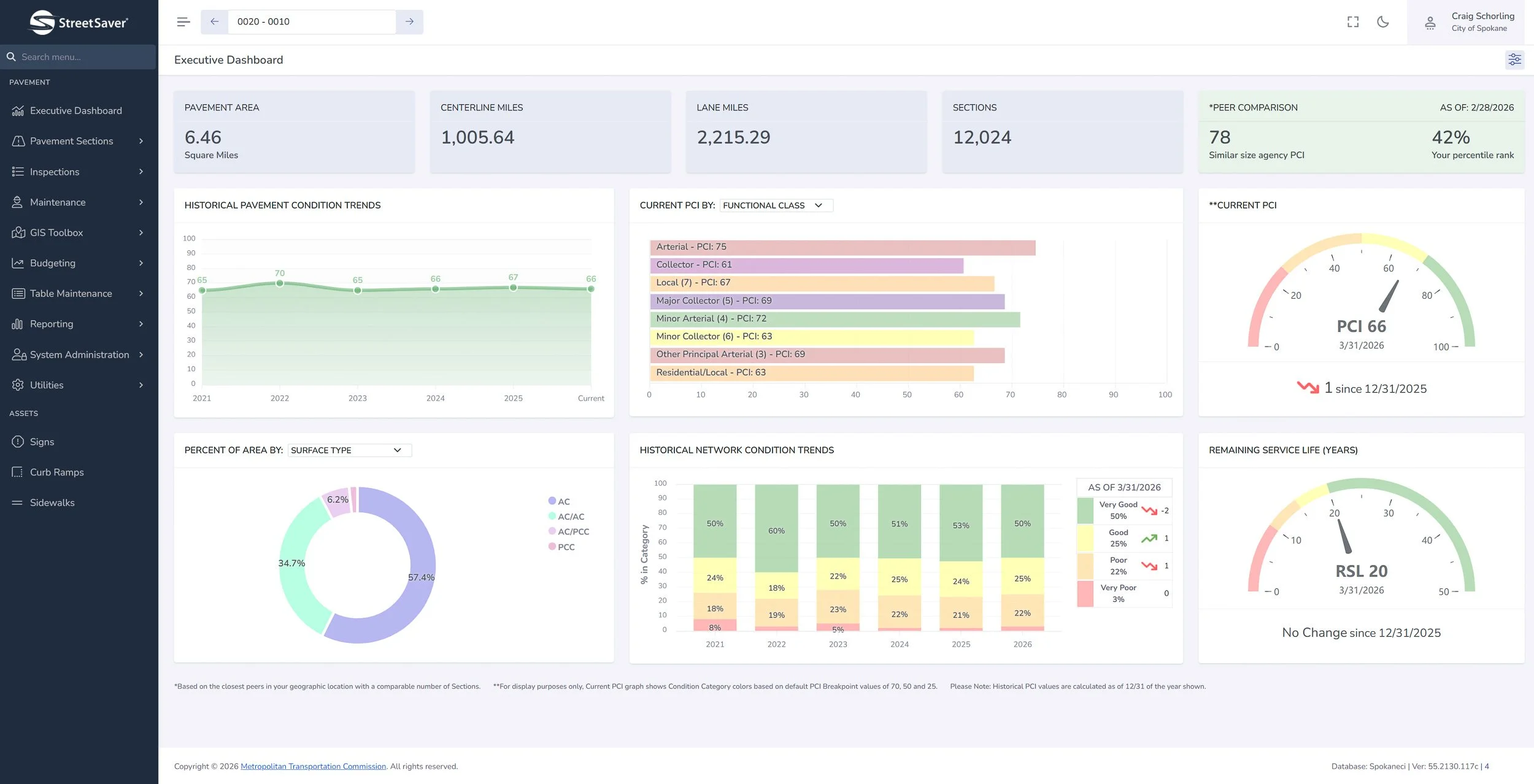
StreetSaver (PMS) Pavement Management System Software Screen Capture
Choosing the Right Pavement Management System Software
Managing today’s road networks is more complex than ever.
Tight budgets, aging infrastructure, and rising public expectations are pushing agencies to do more with less, while still delivering safe roadways. That’s why pavement management system software (PMS) has become an essential tool for municipalities, agencies, and contractors. These platforms provide the structure and insight needed to track pavement conditions, prioritize repairs, and make smarter investment decisions.
The industry is undergoing a clear shift from a reactive maintenance approach of fixing roads after they fail to a more proactive, data-driven approach. Instead of relying on visual assessments alone or responding to complaints, agencies are using condition data, performance modeling, and forecasting tools to plan ahead. This shift extends pavement lifecycles and reduces overall costs by targeting the right treatment at the right time.
Choosing the right pavement management software is a critical element of this strategy. Selecting the right platform can improve efficiency, support decision-making, and ultimately deliver a stronger ROI over the life of your pavement network.
In this blog, we’ll explain what a pavement management system is and what to look for when choosing a PMS to meet your needs.
What is Pavement Management System Software?
Pavement Management System software (PMS) is a data-driven tool designed to help agencies monitor, evaluate, and plan maintenance for their roadway networks. At its core, PMS provides a structured approach to managing pavement assets by turning raw condition data into actionable insights that support better planning, budgeting, and long-term decision-making.
Pavement Management System Software offers these three key functions:
Inventory Management
Inventory management allows users to organize and maintain detailed records of roadway assets, including location, size, structure, and historical maintenance activity. This centralized database becomes the foundation for all analysis and planning efforts.
Track Roadway Conditions
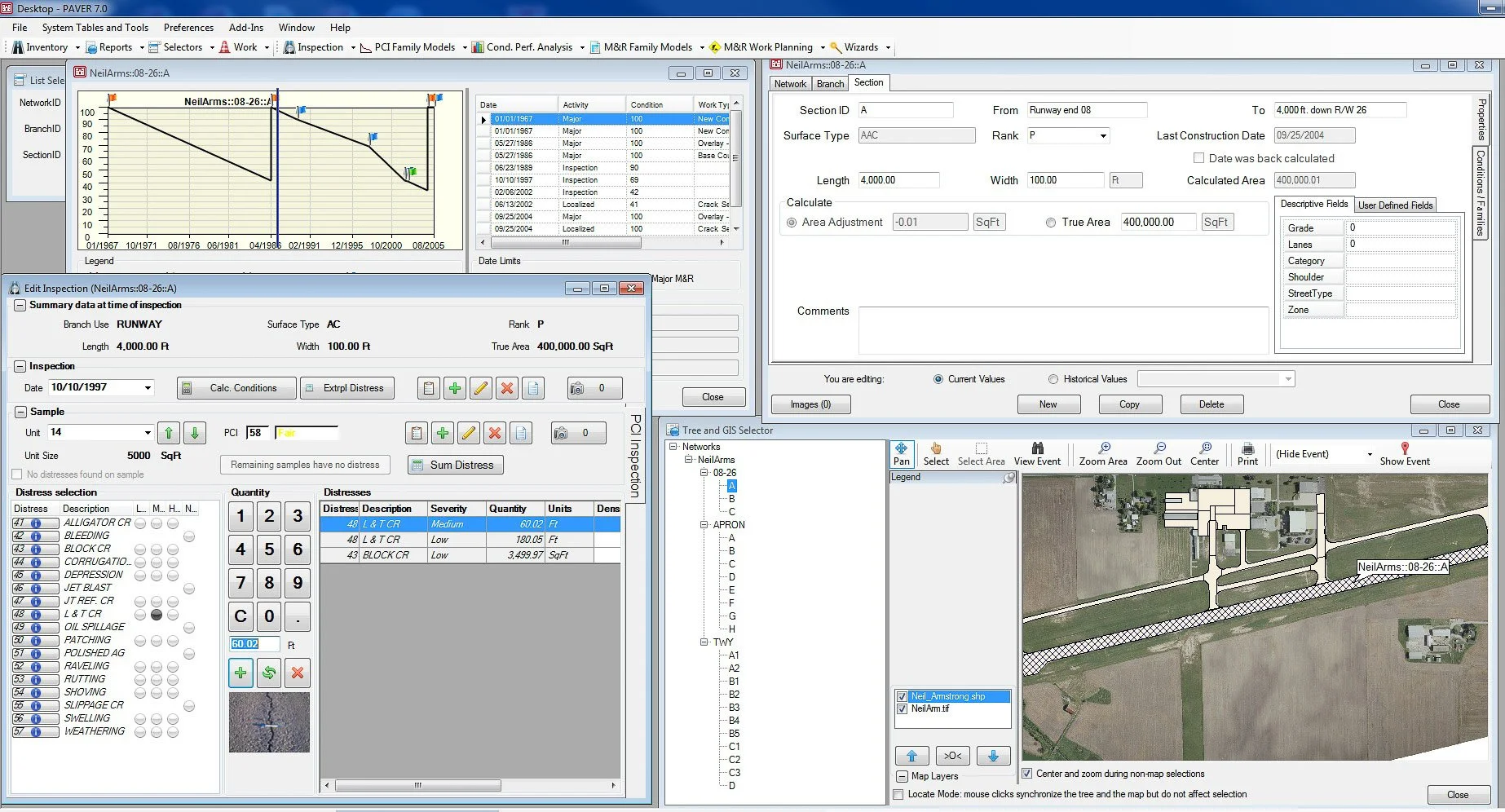
A second essential capability of a PMS is condition assessment. This function is typically based on the Pavement Condition Index (PCI). Using a standardized rating system allows agencies to evaluate pavement health by identifying surface distress, roughness, and deterioration. These assessments provide a consistent and reliable way to measure and compare roadway conditions across an entire network.
Budget Forecasting and Scenario Planning
These functions allow agencies to evaluate different funding levels and maintenance strategies. By modeling how pavement will perform over time, agencies can identify the most cost-effective approaches, such as preventative maintenance, rehabilitation, or reconstruction.
The PCI plays a key role in these processes. Measured on a scale of 0 to 100, the pavement condition index provides a simple, standardized way to represent pavement condition. Higher scores indicate better roadway quality. This metric enables agencies to prioritize projects, allocate resources efficiently, and clearly communicate network conditions to stakeholders.
Key Features to Look for in a PMS Platform
Not all pavement management software is created equal. The right platform should not only store data but must also transform it into meaningful insights that support better decisions across your entire network. When evaluating a PMS solution, there are several key features to prioritize:
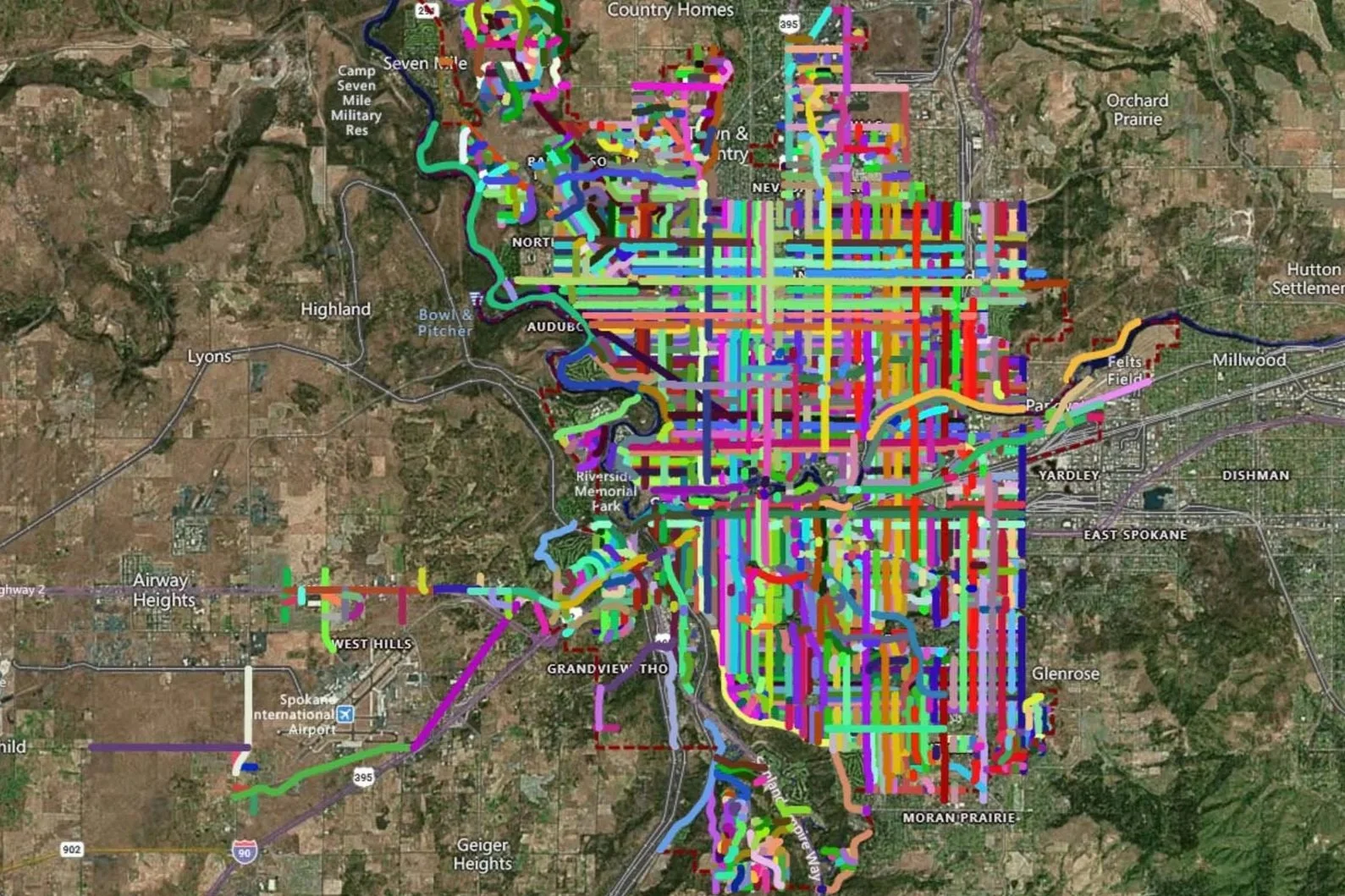
• Data Collection & Integration – Accurate data is the foundation of any successful pavement management program. Modern PMS platforms should support mobile inspections, AI-driven analysis, and automated data collection to improve efficiency and reduce human error. Seamless GIS integration and mapping are equally important. GIS integration allows users to visualize roadway conditions geographically to better understand network-wide trends.
• Scenario Modeling & Budget Forecasting – One of the most valuable features of pavement management software is its ability to plan. Look for platforms that offer predictive modeling tools to evaluate different maintenance strategies over time. Strong PMS solutions provide funding-level impact analysis. This helps agencies understand how budget changes will affect pavement conditions and long-term costs.
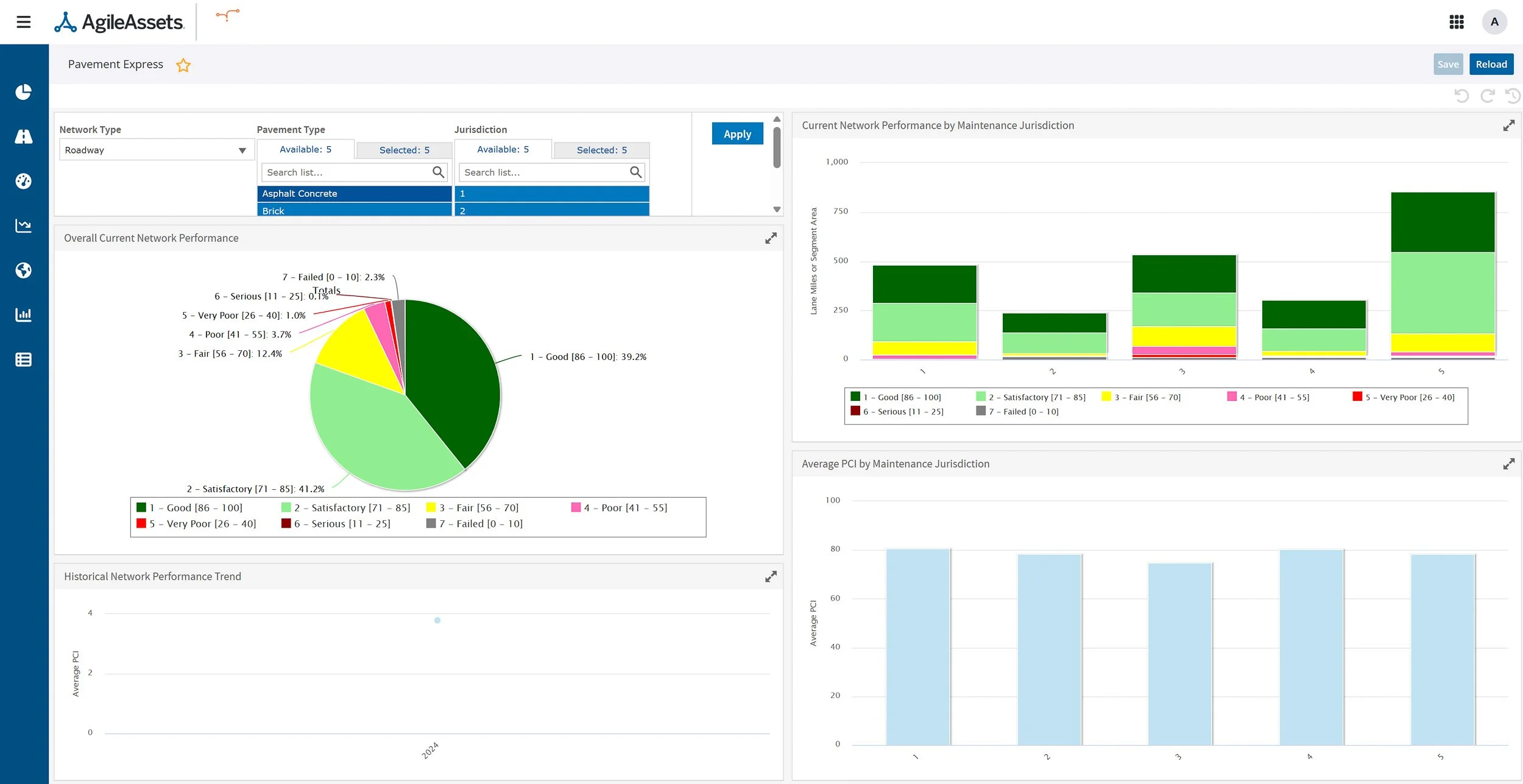
• Reporting & Visualization – Clear communication is critical, especially when working with stakeholders, elected officials, or the public. Effective PMS platforms include intuitive user interfaces with customizable dashboards and reports that make it easy to present complex data in a straightforward way. Strong visualization tools can help translate technical findings into actionable insights that support funding requests and project prioritization.
• Scalability & Ease of Use – The ideal PMS platform should align with the size and complexity of your organization. Some systems are designed for municipalities with smaller networks, while others are built for state DOTs or large-scale infrastructure programs. Ease of use is just as important. Software should be intuitive enough for staff to adopt quickly, without requiring extensive training or specialized expertise.
Conclusion
Choosing the right pavement management system software is a critical step in building a successful infrastructure management program. Every agency has different goals, budgets, reporting requirements, and asset management challenges, which is why there is no “one-size-fits-all” solution.
At Transmap, we work closely with municipalities, counties, and engineering teams to help clients select, implement, and maximize the value of the pavement management system (PMS) that best fits their needs. Our role goes beyond data collection. We help agencies turn pavement condition data into actionable strategies that support smarter maintenance planning, long-term budgeting, and better, more informed infrastructure decisions.
Over the years, Transmap has supported clients using several leading pavement management platforms, including PAVER, StreetSaver, and Pavement Express. To better help agencies understand the pros and cons, unique strengths, capabilities, and approaches of these systems, our blog series on choosing the best PMS system will explore these leading programs to help agencies identify the best fit for their workflows.
Transmap is a nationwide provider of professional pavement, roadway, and asset management support services to cities, counties, and municipalities. Using our advanced technologies, we provide excellent customer service and robust analysis. We are dedicated to maintaining this high standard of data quality while also reducing data collection costs for our clients.
To learn more, contact our main office in Columbus, OH at (614) 810–1235.